
Comprehensive Guide to Rotisserie Cooking in the United States
What is the historical evolution of rotisserie in American barbecue culture?
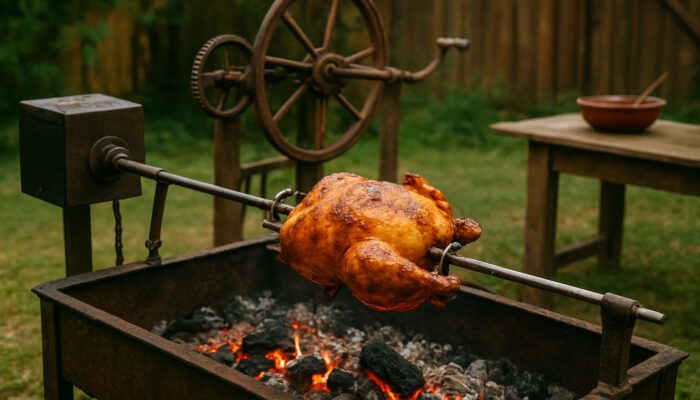
The practice of rotisserie cooking boasts a rich and intricate history within the realm of American barbecues, transitioning from ancient techniques to contemporary practices that have gained immense popularity nationwide. The art of slowly roasting meat has deep indigenous roots, significantly influenced by diverse cultural practices introduced by immigrants over the centuries. Initially, the rotisserie was a rudimentary, hand-cranked apparatus that enabled chefs to achieve uniform roasting, thus enhancing the flavor profiles of meats through consistent exposure to heat. With the passage of time, technological advancements have led to the development of motorized rotisseries, which have become essential for backyard gatherings, particularly in the southern states renowned for their vibrant barbecue culture.
Throughout its extensive history, various milestones have marked the evolution of rotisserie cooking in the United States. Here are some notable highlights:
- Colonial Era: Early settlers employed spit-roasting methods over open flames.
- 19th Century: The introduction of cast iron rotisserie grills in domestic kitchens.
- Post-War Era: The surge in outdoor barbecues and the emergence of electric rotisseries.
- Modern Day: The growing popularity of specialized rotisserie grills and competitive barbecue events.
Each of these pivotal stages illustrates the increasing sophistication and passion surrounding rotisserie cooking, solidifying its reputation as a cornerstone of American culinary traditions.
What essential equipment is necessary for whole hog rotisserie cooking setups?
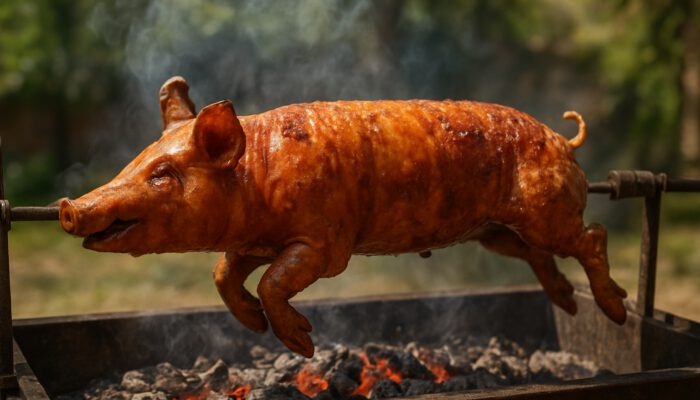
To successfully execute the art of whole hog cooking on a rotisserie, certain key pieces of equipment are absolutely essential. First and foremost, a sturdy rotisserie grill specifically engineered to handle the substantial weight and size of a whole hog is vital. Popular options available in U.S. retail outlets include vertical rotisserie smokers and large horizontal grills, typically crafted from robust materials that can withstand outdoor conditions. Often, these grills come equipped with indispensable accessories such as rotating spits, adjustable skewers, and heat shields designed to ensure even cooking throughout the process.
Safety features must be prioritized when selecting equipment; look for grills with solid construction to avoid tipping and ensure that all components, including motors and electrical connections, are compatible with American power sources. Implementing a pre-cook checklist can streamline the preparation process. Key considerations should encompass:
- Evaluating the size and weight capacity of the rotisserie.
- Choosing a grill with a dependable motor and heat source.
- Investing in meat thermometers for precise temperature monitoring.
- Ensuring the availability of essential accessories, such as basting brushes and grilling tools.
Equipped with the right tools, cooks can achieve optimal results, capturing that desirable smoky flavor while prioritizing food safety.
How to effectively prepare your cooking space at home for rotisserie?
Setting up a rotisserie in a typical American backyard necessitates meticulous planning to ensure a safe and efficient cooking environment. To begin, assess the space required for both the rotisserie grill and the hog itself. A standard whole hog can measure up to four feet in length, necessitating ample room for the grill, cooking area, and a safe distance for bystanders.
Weather conditions play a crucial role in outdoor cooking. Cooks should stay informed about forecasts and prepare for elements that could impact cooking times and temperatures. It is advisable to position the rotisserie in a shaded area to prevent overheating and to shield it from wind, which can disrupt heat distribution. Furthermore, a flat, stable surface is essential to maintain balance during the cooking process.
Safety should always remain a primary concern during preparations. Install the grill away from any flammable structures, ensuring that adequate ventilation is available. Keeping fire extinguishers and first-aid supplies nearby can significantly mitigate risks associated with outdoor cooking. To ensure a successful event, consider these essential steps:
- Designate a specific cooking area away from high foot traffic.
- Create a shaded space or use awnings to protect against the sun.
- Set up tables for food preparation and serving.
- Establish a safe distance for guests to observe the cooking process.
A thoroughly planned cooking space not only enhances the overall experience but also ensures that the event runs smoothly, allowing for enjoyable and memorable gatherings centered around delectable rotisserie-cooked hog.
How to Choose the Ideal Rotisserie for Whole Hog Cooking in the United States?
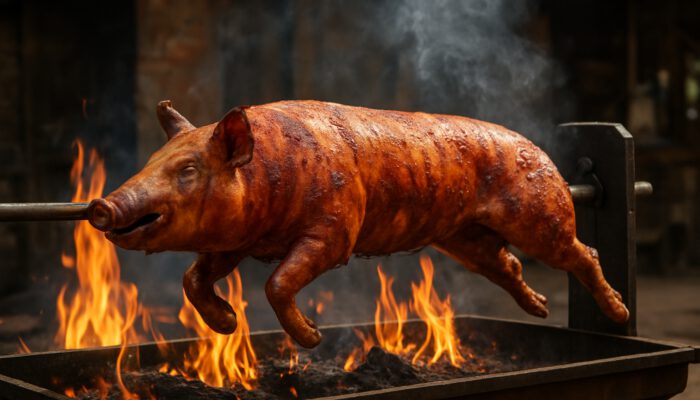
What critical factors should influence your rotisserie selection for larger meats?
When selecting a rotisserie for whole hog cooking, multiple factors come into play, primarily focusing on size, motor strength, and brand reliability. The size of the hog directly impacts the rotisserie choice; larger hogs necessitate grills with greater weight capacity and a longer spit to accommodate their dimensions. Motor strength is another vital consideration; a more powerful motor guarantees smooth and consistent rotation, which is crucial for even cooking throughout the entire hog.
Brand reputation also significantly influences consumer decisions. Established brands often provide warranties and customer support, offering peace of mind alongside quality assurance. To achieve optimal results, it is crucial to align the rotisserie’s specifications with the size of the intended hog. For instance, if preparing a 150-pound hog, a rotisserie with a motor rated for at least 200 pounds is advisable for reliability and performance.
Durability remains a critical criterion when making an informed decision. Seek out rotisseries constructed from stainless steel or heavy-duty materials that can endure outdoor elements and regular use. Cooks should also consider ease of assembly and storage. A rotisserie that disassembles easily allows for better storage when not in active use. Here are some essential factors to evaluate:
- Hog size: Match the rotisserie size to the hog’s dimensions.
- Motor strength: Ensure it is powerful enough for consistent rotation.
- Brand reliability: Research brands known for quality and customer service.
- Durability: Choose materials that resist rust and wear from outdoor usage.
By carefully assessing these factors, cooks can opt for the right rotisserie that meets their needs while contributing to successful whole hog cooking experiences.
Which rotisserie brands are most favored by American cooks?
In the American market, several rotisserie brands distinguish themselves through their quality and performance. Brands like Weber, Char-Broil, and Pit Boss have earned favorable reputations among cooking enthusiasts for their dependable products tailored specifically for whole hog preparation. Weber’s rotisserie attachments are compatible with many of its popular grills, providing versatility and ease of use. Char-Broil offers budget-friendly options suitable for backyard barbecuers, while Pit Boss is recognized for its sturdy construction and high-capacity grills.
When selecting a rotisserie, reviewing user feedback and testimonials is advantageous. Positive responses typically emphasize ease of assembly, stable temperature control, and overall cooking performance. Key features to consider include adjustable height settings, infrared heating options, and straightforward cleaning mechanisms. Here’s a closer look at some popular brands:
- Weber: Renowned for high-quality materials and consistent cooking results.
- Char-Broil: Affordable with good performance for casual cooks.
- Pit Boss: Robust constructions ideal for larger cooks.
- Ooni: Offers unique rotisserie options for versatility and flavor.
Understanding the features and benefits of these brands can empower buyers to make informed decisions that align with their culinary aspirations and practical requirements.
How to maintain your rotisserie device effectively over time?

Regular maintenance of a rotisserie is crucial to ensure its longevity and optimal performance, especially given the varied climate conditions across the U.S. Routine cleaning is the first step; after each use, disassemble components and wash them with warm, soapy water to eliminate grease and residue. Special attention should be given to areas where food particles can accumulate, such as the spit and rotisserie motor.
Furthermore, taking preventative measures against rust is particularly important in humid regions. Applying a thin layer of cooking oil to metal surfaces can create a protective barrier against moisture. For models featuring electric components, routine checks of the wiring and connections are essential to avoid potential electrical issues. Keeping a close eye on the motor’s performance is vital to avoid unpleasant surprises during cooking events.
In addition, proper storage is integral to maintaining equipment. When not in use, store the rotisserie in a dry, shaded location to prevent weather-related damage. Covering the grill with a protective tarp can safeguard it against rain and snow. Here are some key maintenance tips to consider:
- Clean components thoroughly after each use.
- Apply oil to prevent rust in humid conditions.
- Check electrical connections regularly.
- Store in a dry area with protective coverings.
By adhering to these maintenance practices, cooks can ensure their rotisserie remains in peak condition for many successful whole hog cooking events.
Expert Strategies for Using a Rotisserie for Whole Hog Cooking
How do professional chefs enhance their rotisserie techniques?
Professional chefs and barbecue specialists utilize a variety of techniques to elevate rotisserie cooking, particularly concerning whole hog preparation. One critical aspect is seasoning; marinating and applying dry rubs significantly enhance flavor profiles. Experts advocate brining the hog for 12-24 hours before cooking, which helps lock in moisture and amplify overall flavor. Utilizing a blend of salt, sugar, and spices can create a deeper, more vibrant taste.
Timing is equally essential for attaining professional-quality results. Experts propose employing the “low and slow” method, maintaining a consistent temperature around 225-250°F for optimal cooking. This method allows collagen and fat to render slowly, resulting in tender, juicy meat. Employing a reliable meat thermometer ensures that the hog achieves the desired internal temperature of 190°F, ultimately achieving that perfect doneness.
In addition to seasoning and timing, incorporating wood chips for smoking can bring unique flavors to the meat. Applewood, hickory, and mesquite are popular choices among professionals, each imparting distinct characteristics to the final dish. Here are some actionable steps based on expert practices:
- Brine the hog for 12-24 hours before cooking.
- Use a combination of salt, sugar, and spices for the dry rub.
- Maintain a steady cooking temperature of 225-250°F.
- Incorporate wood chips for added smoky flavor.
By following these expert insights, even amateur cooks can achieve impressive results that rival those from seasoned professionals, making for unforgettable gatherings centered around deliciously prepared whole hogs.
What best practices should be followed for temperature control?
Maintaining the optimal temperature is paramount when cooking a whole hog on a rotisserie, as it directly influences the final texture and juiciness of the meat. Experts recommend using a dual-zone heat system, where one side of the grill is hotter for initial searing and the other side is cooler for slow cooking. This method allows for better control over temperature fluctuations while ensuring even cooking throughout.
Monitoring the heat is vital, and utilizing a reliable meat thermometer is crucial. Positioning the thermometer in the thickest part of the shoulder or ham ensures accurate readings, helping cooks avoid overcooking or undercooking the meat. Additionally, employing a digital thermometer with an alarm feature can alert cooks if temperatures fall outside the desired range, allowing for timely adjustments.
Another effective technique for controlling temperature and preventing flare-ups is periodically rotating the hog. This enables even heat distribution and helps manage fat drippings that could ignite. Utilizing a drip pan helps collect excess grease, reducing the likelihood of flare-ups and maintaining a stable cooking environment. Here are some best practices to follow:
- Implement a dual-zone heat setup for better temperature control.
- Use a reliable meat thermometer for accurate readings.
- Consider using a digital thermometer with an alarm feature.
- Periodically turn the hog to maintain even heat distribution.
By adhering to these temperature control practices, cooks can confidently achieve tender, succulent results when preparing whole hogs, delighting their guests with perfectly cooked barbecue.
How to integrate side dishes with your main rotisserie cook?
Pairing rotisserie-cooked hogs with complementary side dishes enriches the overall dining experience, particularly during American gatherings. Traditional sides such as coleslaw, baked beans, and cornbread offer contrasting textures and flavors. The acidity from coleslaw balances the richness of the pork, while baked beans contribute a sweet, hearty element that beautifully complements the meat.
Another delicious option is to serve the hog alongside grilled vegetables. Seasonal options like zucchini, bell peppers, and corn can elevate the meal by adding vibrant colors and fresh flavors. Additionally, incorporating regional specialties such as collard greens in southern U.S. cuisine can evoke a sense of local heritage and tradition.
Presentation is also crucial in crafting an appealing feast. Consider serving the hog on a large wooden cutting board, allowing guests to carve their portions, which adds a communal feel to the gathering. Providing sauces, such as tangy barbecue or spicy mustard, in small bowls offers guests the option to customize their plates. Here are some enticing side dish ideas:
- Coleslaw: Adds a fresh crunch and acidity.
- Baked beans: A sweet and hearty complement.
- Grilled vegetables: Seasonal options for added flavor.
- Collard greens: A regional classic in southern cuisine.
By thoughtfully selecting and presenting side dishes, hosts can elevate the overall dining experience, making their whole hog meals truly memorable and enjoyable.
What expert tips should you consider when selecting and preparing the whole hog?
Choosing the right whole hog is critical for a successful rotisserie experience. Experts recommend selecting a hog based on size, quality, and weight. Typically, a rotisserie hog should weigh between 100-200 pounds, with the ideal weight contingent on the number of guests being served. A well-marbled hog, featuring a good fat-to-meat ratio, ensures tenderness and flavor during cooking.
Preparation also plays a pivotal role in achieving delicious results. Properly cleaning and dressing the hog is the first step; this involves removing any residual hair and internal organs to ensure the meat is ready for seasoning. Many experts advocate for brining the hog, as it locks in moisture and enhances the flavor profile. A simple brine can consist of water, salt, sugar, and spices, and should be applied for 12-24 hours prior to cooking.
Moreover, seasoning is vital for achieving mouthwatering results. Applying a dry rub of spices can enhance flavor and create a beautiful crust during cooking. Seasoning should be done generously, ensuring it penetrates the meat for maximum flavor depth. Here are some expert tips to consider:
- Select a hog based on size and quality, ideally between 100-200 pounds.
- Clean and dress the hog properly before cooking.
- Brine for 12-24 hours to lock in moisture.
- Apply a generous dry rub for enhanced flavor.
By following these preparation tips, cooks can set themselves up for success, leading to mouthwatering rotisserie-cooked hog that impresses guests and creates lasting memories.
How to troubleshoot common rotisserie issues when cooking whole hogs?
Despite careful planning, issues may arise during the cooking process, but many can be resolved with proactive measures. Uneven rotation is a common problem that can lead to inconsistent cooking; this often occurs if the hog is not centered on the spit. To remedy this, ensure the hog is securely fastened and balanced before starting the rotisserie.
Flare-ups can also pose a challenge, particularly as fat renders during cooking. Utilizing a drip pan beneath the hog can help catch excess grease, reducing flare-ups and maintaining a consistent temperature. If flare-ups occur, momentarily pause the cooking and adjust the position of the hog to prevent further complications.
Incorporating temperature monitoring tools can also alleviate potential issues. Utilizing meat thermometers enables cooks to track the internal temperature closely, ensuring the hog reaches the target of 190°F for optimal tenderness. Furthermore, rotating the hog occasionally can aid in even cooking. Here are actionable troubleshooting strategies:
- Ensure the hog is balanced and centered on the spit to prevent uneven rotation.
- Use a drip pan to catch excess fat and reduce flare-ups.
- Monitor internal temperature with thermometers for accurate readings.
- Adjust the hog’s position if flare-ups occur.
By being prepared with these troubleshooting techniques, cooks can tackle common rotisserie issues and ensure their whole hog cooking experience is both enjoyable and successful.
What Are the Advantages of Rotisserie Cooking for Whole Hog in the United States?
Why is rotisserie so popular for large gatherings?
Rotisserie cooking holds immense appeal for large gatherings, such as family reunions and holiday celebrations, primarily due to its even cooking advantages. The ability to slowly roast a whole hog ensures that the meat retains moisture and flavor, yielding juicy results that are perfect for communal feasting. This cooking method allows for substantial quantities of food to be prepared simultaneously, making it ideal for feeding large crowds without sacrificing quality.
Additionally, rotisserie cooking emphasizes the social aspects of food preparation, as guests can gather around the grill while the hog cooks, contributing to an engaging atmosphere. The visual allure of a slowly turning hog entices both adults and children alike, serving as a centerpiece that brings people together. Furthermore, the enticing aromas released during cooking create an irresistible invitation to share a meal.
The communal nature of rotisserie cooking fosters connections, allowing families and friends to bond over the experience of cooking and enjoying a delicious meal together. Here are some reasons why rotisserie is favored for gatherings:
- Even cooking produces juicy, flavorful results ideal for sharing.
- Allows for large quantities of food to be cooked simultaneously.
- Encourages social interaction and creates engaging atmospheres.
- Acts as a visual centerpiece that draws guests together.
The combination of these factors solidifies rotisserie cooking as a beloved choice for large gatherings in the U.S., creating memorable experiences centered around delicious food and companionship.
What are the health aspects of rotisserie-prepared hogs?
Cooking a whole hog on a rotisserie can offer several health benefits compared to other traditional cooking methods. The rotisserie method promotes even cooking, allowing excess fat to drip away from the meat, leading to a healthier final product. This process reduces the overall fat content without sacrificing flavor, providing a satisfying meal that is more accommodating to dietary needs.
Moreover, rotisserie cooking minimizes the risk of harmful compounds that can develop through direct flame grilling, such as those resulting from flare-ups. By maintaining a consistent, controlled temperature, rotisserie cooking reduces the likelihood of carcinogens forming, making it a safer option for family meals.
In addition, cooking methods that retain moisture, such as rotisserie, help preserve the nutritional value of the meat. When cooked properly, whole hog retains essential vitamins and minerals, providing a nutrient-dense meal that supports various health goals. Here are some health benefits associated with rotisserie-prepared hogs:
- Reduced fat content due to the drippings being collected.
- Minimized risk of harmful compounds from direct flame grilling.
- Preserves nutritional value through even cooking.
- Encourages healthier cooking practices for family meals.
By opting for rotisserie cooking, families can enjoy delicious meals that align better with health-conscious choices, ensuring that gatherings are both enjoyable and beneficial.
How is rotisserie cooking cost-effective for home cooks?
Rotisserie cooking can be a cost-effective method for home cooks, especially when preparing a whole hog for large gatherings. The ability to feed multiple guests with a single cooking process reduces the overall cost per serving, making it an appealing option for budget-conscious households. Additionally, rotisserie grills are often available in various price ranges, allowing consumers to find options that fit their budgets without compromising quality.
Moreover, the durability of rotisserie grills means they can withstand frequent use, leading to long-term savings. Investing in a reliable model can yield returns over time, as families can host multiple gatherings without needing to rent or purchase additional cooking equipment. Furthermore, the simplicity of preparation and cooking saves time and effort, allowing cooks to focus on enjoying the experience rather than being overwhelmed with preparation.
By utilizing economical seasoning options and side dishes, home cooks can further enhance the value of their meals. Serving sides that utilize seasonal produce can minimize costs while maximizing flavor. Here are some cost-effective considerations for home cooks:
- Feeding large crowds with a single whole hog reduces overall meal costs.
- Affordable rotisserie grills are available across various price ranges.
- Durable models provide long-term savings on equipment.
- Using seasonal produce for side dishes minimizes expenses.
These factors contribute to the cost-effectiveness of whole hog rotisserie cooking, making it an accessible and enjoyable option for families seeking memorable culinary experiences without breaking the bank.
What versatility in seasoning and flavors does rotisserie whole hog cooking offer?
Rotisserie cooking presents remarkable versatility in seasoning and flavor profiles, allowing cooks to customize their dishes to suit an array of preferences and cultural influences. This method encourages creativity, as the slow rotation allows marinades and rubs to evenly coat the meat, resulting in a delectable crust that enhances flavor.
Popular seasoning approaches for rotisserie whole hogs include regional spice blends, such as Cajun, Tex-Mex, and traditional barbecue rubs. Cooks can experiment with various combinations, incorporating sweet, spicy, and savory elements to achieve unique profiles. The potential for infusing flavors with wood chips also adds another layer of complexity, as different woods impart distinct tastes to the meat.
Moreover, the ability to customize sauces and glazes opens up even more opportunities for flavor exploration. Guests can savor various options, ranging from tangy barbecue sauces to zesty citrus marinades, allowing for a personalized dining experience. Here are some key aspects of flavor versatility to consider:
- Experiment with regional spice blends for diverse profiles.
- Incorporate different woods for unique flavor infusions.
- Customize sauces and glazes for personalized tastes.
- Encourage creativity in seasoning to suit various preferences.
This versatility makes rotisserie whole hog cooking an exciting culinary adventure, appealing to home cooks looking to push their boundaries and create memorable meals that cater to diverse tastes and occasions.
Research-Backed Benefits of Using a Rotisserie for Whole Hog Cooking
What research supports flavor retention in rotisserie cooking?
Research indicates that rotisserie cooking effectively retains moisture and enhances flavor compared to other cooking methods. Studies have shown that the even cooking provided by rotisserie techniques reduces moisture loss, leading to more succulent meat. This is particularly relevant when preparing large cuts like whole hogs, where the risk of drying out is significant.
Experiments have demonstrated that the use of a rotisserie can lead to higher moisture retention levels than traditional grilling methods. The consistent rotation keeps the meat continually basted in its own juices, creating a tender and flavorful product. Home cooks can replicate these findings by ensuring they maintain controlled temperatures and take advantage of the fat content in the hog. Here are some actionable steps based on research findings:
- Employ a rotisserie for even cooking and moisture retention.
- Ensure consistent rotation to baste the meat in its juices.
- Monitor temperatures closely to prevent moisture loss.
- Utilize fat content for added flavor and juiciness.
By understanding the science behind rotisserie cooking, home cooks can apply techniques that lead to better flavor retention, resulting in a superior whole hog experience.
What safety improvements arise from even cooking methods?
Even cooking via rotisserie methods significantly enhances food safety, particularly for large cuts of meat like whole hogs. Research from American health organizations emphasizes the importance of reaching safe internal temperatures to minimize bacterial risks. The consistent heat distribution provided by rotisserie cooking makes it easier to achieve the necessary internal temperatures throughout the meat.
By using a meat thermometer and adhering to recommended cooking temperatures, cooks can ensure that any harmful bacteria are effectively eliminated. Furthermore, the slow cooking process allows for proper rendering of fat, which can also contribute to food safety. Here are some safety tips related to even cooking:
- Monitor internal temperatures with a meat thermometer to ensure safety.
- Adhere to recommended cooking temperatures for pork (at least 190°F).
- Utilize consistent heat for even cooking throughout the hog.
- Prevent undercooking by ensuring adequate cooking time.
By prioritizing even cooking techniques, home cooks can enhance food safety in their whole hog preparations, creating a safer and more enjoyable dining experience for all.
How energy-efficient is rotisserie cooking in domestic settings?
Rotisserie grills are increasingly recognized for their energy efficiency, particularly in domestic settings. Compared to traditional ovens or grills, rotisserie cooking often requires less energy to achieve optimal results. This efficiency is largely attributed to the consistent temperature control and the ability to cook larger quantities of meat simultaneously.
Consumer reports indicate that rotisserie grills utilize less fuel than standard cooking methods, making them a sustainable option for frequent users. By maximizing the use of energy-efficient cooking techniques, home cooks can help reduce their overall energy consumption while enjoying delicious meals. Here are some ways rotisserie grills conserve fuel:
- Consistent temperature control minimizes energy waste.
- Cooking larger quantities in one go reduces overall cooking time.
- Less energy is needed to maintain desired cooking temperatures.
- Rotisserie grills often have better insulation, retaining heat more effectively.
Embracing the energy-efficient capabilities of rotisserie cooking can lead to both economic and environmental benefits, allowing families to enjoy flavorful meals without excessive energy costs.
Why Opt for Rotisserie Cooking for Whole Hog in the United States?
How does rotisserie cooking compare to traditional grilling methods?
Rotisserie cooking distinguishes itself from traditional grilling methods, primarily due to its ability to provide uniform heat distribution. This crucial advantage results in superior texture and flavor, creating a distinct eating experience. While traditional grilling often involves direct heat, which can lead to uneven cooking and drying out, rotisserie methods allow the meat to cook slowly and evenly, resulting in tender, juicy hog.
Another notable difference is the capacity for a rotisserie to prepare larger cuts of meat without the precision challenges associated with traditional grilling. Cooking a whole hog on a grill can sometimes lead to burnt edges and undercooked centers; however, with a rotisserie, the slowly rotating meat ensures that all parts receive equal heat exposure.
Moreover, rotisserie cooking encourages flavor development through the basting process as the meat rotates, allowing the natural juices to enhance the taste further. Guests often appreciate the visual appeal of a whole hog slowly cooking on a rotisserie, heightening anticipation for the meal. Here are some advantages of rotisserie compared to traditional grilling:
- Uniform heat distribution ensures even cooking throughout.
- Ability to handle larger cuts without precision challenges.
- Encourages flavor development through continuous basting.
- Visual appeal enhances the dining experience, drawing guests in.
These aspects make rotisserie cooking a preferred choice among barbecue enthusiasts, elevating the overall experience of preparing and enjoying whole hog meals.
What versatility does rotisserie cooking offer for different hog sizes?
Rotisserie cooking offers remarkable versatility for accommodating various hog sizes, making it suitable for both intimate family gatherings and large celebratory events. Depending on the number of guests, cooks can select whole hogs ranging from 50 to over 200 pounds, adapting easily to different occasions. The flexibility in size allows for tailored experiences, ensuring that there is a perfect option for every setting.
Moreover, rotisserie grills are often designed with adjustable features to effectively handle different sizes. Many models come equipped with interchangeable attachments, enabling cooks to transition smoothly from small to large hogs. This adaptability minimizes the need for multiple cooking devices, making rotisserie grilling a cost-effective solution for home cooks.
Additionally, the ability to marinate or season different sizes of hogs encourages creative exploration, allowing chefs to experiment with flavors that complement varying weights and dimensions. Here are some key considerations for versatility in hog sizes:
- Options range from 50 to over 200 pounds for different gatherings.
- Rotisserie grills often feature adjustable components for various sizes.
- Cost-effective solution by accommodating multiple sizes without additional equipment.
- Encourages creative exploration of flavors based on hog size.
This versatility is a significant advantage of rotisserie cooking, allowing families to tailor their meals to specific occasions while ensuring delicious results every time.
What seasonal adaptations should be made for outdoor rotisserie use?
Rotisserie cooking is highly adaptable to diverse weather conditions in the United States, making it an enjoyable outdoor cooking option throughout the year. Whether during summer barbecues, fall festivals, or winter gatherings, cooks can modify their methods to accommodate seasonal changes, ensuring delicious results regardless of the environment.
During warmer months, outdoor rotisserie cooking allows for pleasant social interactions while basking in the sunshine. Cooks can enhance the experience by serving refreshing sides, such as fresh salads or seasonal vegetables, which complement the rich flavors of the hog. Fall presents an opportunity to incorporate seasonal spices, such as cinnamon or nutmeg, into brines and rubs, adding warmth to the meal.
In winter, cooks can utilize rotisserie grills equipped with windshields or enclosures to protect against cold weather while still delivering fantastic results. The ability to cook outdoors during chilly months can create a cozy atmosphere, encouraging friends and family to gather around the grill. Here are some seasonal adaptations to consider:
- Summer: Emphasize fresh salads and lighter side dishes.
- Fall: Incorporate seasonal spices into marinades and rubs.
- Winter: Use windshields or enclosures for protection against cold.
- Spring: Explore fresh herbs and produce to celebrate the season.
By embracing seasonal adaptations, cooks can maximize their outdoor cooking experiences, ensuring that rotisserie whole hog meals remain exciting and enjoyable throughout the year.
What are the health and safety benefits of rotisserie cooking?
The health and safety benefits of rotisserie cooking for whole hogs are substantial. First and foremost, the method minimizes the risk of flare-ups that can occur with traditional grilling techniques. This reduction in flare-ups helps to lower the formation of harmful compounds associated with direct flame contact, promoting a healthier cooking process.
Moreover, rotisserie cooking allows for even heat distribution, which is crucial for ensuring thorough cooking and preventing the growth of harmful bacteria. By consistently achieving safe internal temperatures, cooks can enjoy peace of mind, knowing they are serving safe and healthy meals. This reliability is particularly important during large gatherings where food safety is of utmost importance.
Additionally, the ability of rotisserie cooking to render fat effectively contributes to a healthier final product. Excess fat drips away from the meat, resulting in a leaner dish that still retains flavor. Families can enjoy delectable meals while adhering to health-conscious choices. Here are some notable health and safety benefits:
- Minimizes flare-ups to reduce harmful compound formation.
- Ensures even heat distribution for thorough cooking.
- Promotes food safety by achieving safe internal temperatures.
- Renders excess fat, leading to healthier final products.
These health and safety advantages make rotisserie cooking an appealing choice for families seeking nutritious and safe dining options, particularly when preparing whole hogs for large gatherings.
What is the cost efficiency and equipment availability for rotisserie cooking?
Rotisserie setups are increasingly recognized for their cost-effectiveness and widespread availability in U.S. markets. Numerous affordable options exist for home cooks, allowing them to invest in quality equipment without exceeding their budgets. Retailers offer a diverse range of rotisserie grills, ensuring there is a suitable model available for everyone, regardless of financial constraints.
The affordability of rotisserie grills means families can host large gatherings without incurring high costs associated with catering or restaurant meals. By preparing a whole hog on a rotisserie, cooks can serve delicious meals to numerous guests at a fraction of the cost of traditional catering options.
Moreover, the long-term durability of rotisserie grills translates to savings over time. Investing in a quality model can yield years of use, making it a worthwhile addition to any outdoor cooking setup. Additionally, the versatility of rotisserie equipment allows for a wide array of cooking options, further enhancing its value. Here are key points regarding cost efficiency and equipment availability:
- Affordable options ensure accessibility for budget-conscious cooks.
- Hosting large gatherings is cost-effective compared to catering.
- Durable models provide long-term savings on cooking equipment.
- Versatile setups allow for various cooking techniques and options.
The combination of cost efficiency and equipment availability makes rotisserie cooking a practical choice for families looking to enjoy whole hog meals without breaking the bank.
Essential Safety and Maintenance Tips for Rotisserie Cooking in the United States
What precautions are necessary to ensure safe operation of rotisserie grills?
Ensuring the safe operation of rotisserie grills is critical for a successful cooking experience, particularly when preparing whole hogs. One of the primary safety measures involves maintaining a clear area around the grill, subsequently reducing the risk of accidents or fire hazards. Designating a safe zone for guests and keeping flammable materials away from the grill promotes a secure cooking environment.
Additionally, conducting regular equipment checks is vital. Before each use, inspect the rotisserie for any signs of wear or damage, particularly regarding electrical components. Ensuring that all connections are secure and that the motor operates smoothly can prevent unforeseen issues during cooking. Furthermore, employing protective gear, such as heat-resistant gloves and aprons, can minimize the risk of burns and injuries.
Establishing emergency procedures is also essential. Familiarizing yourself with proper fire extinguishing methods and having access to a fire extinguisher can swiftly address any emergencies that may arise. Here are key safety precautions to consider:
- Maintain clear areas around the grill to prevent accidents.
- Inspect equipment regularly for wear or damage.
- Use heat-resistant gloves and protective gear during operation.
- Familiarize yourself with emergency procedures and access to fire extinguishers.
By prioritizing these safety precautions, cooks can ensure a secure and enjoyable rotisserie cooking experience.
How to implement routine cleaning for the longevity of your grill?
Routine cleaning is essential for maintaining the longevity and performance of rotisserie grills. After each cooking session, it is crucial to disassemble components and clean them thoroughly. This includes scrubbing the spit, drip pan, and any removable parts with warm, soapy water to eliminate grease and residue that can accumulate over time.
In addition to regular cleaning, seasoning the metal surfaces with cooking oil can help prevent rust, particularly in humid climates. Ensuring that the grill is completely dry before storage is also important to avoid mold and corrosion. It is beneficial to perform a deep cleaning at least once every few months, addressing areas that may not be easily accessible during routine cleanings.
Lastly, keeping the rotisserie covered when not in use protects it from weather elements and debris. Here are key cleaning practices for maintaining rotisserie grills:
- Disassemble components and clean thoroughly after each use.
- Apply cooking oil to metal surfaces to prevent rust.
- Ensure the grill is dry before storage to avoid mold.
- Deep clean every few months to maintain long-term performance.
By adhering to these cleaning practices, cooks can prolong the life of their rotisserie grills and ensure optimal performance for future cooking endeavors.
What strategies can be used for troubleshooting common issues at home?
Addressing common issues in rotisserie cooking can prevent frustration and ensure successful outcomes. One frequent problem is motor failure, which can occur due to overloading or mechanical wear. Regularly checking the motor’s functionality and ensuring it is rated for the weight of the hog can prevent such issues. If the motor fails during cooking, it’s advisable to pause and redistribute the weight of the hog for more balanced rotation.
Another common issue is inconsistent cooking, often resulting from uneven heat distribution. To address this, cooks can adjust the placement of the hog on the spit to ensure it is centered and balanced. If uneven cooking persists, utilizing additional heat sources can help maintain optimal temperatures throughout the cooking process.
Flare-ups can also cause concerns during rotisserie cooking. To reduce the likelihood of flare-ups, cooks should ensure that fat drippings are properly managed using drip pans. If flare-ups occur, momentarily pausing cooking and adjusting the hog’s position can help mitigate the issue. Here are troubleshooting strategies for common issues:
- Check the motor functionality and redistribute weight if necessary.
- Ensure the hog is balanced and centered for consistent cooking.
- Utilize additional heat sources if uneven cooking persists.
- Manage fat drippings with drip pans to reduce flare-ups.
By being prepared to address these common issues, cooks can enhance their rotisserie cooking experiences, leading to delicious and satisfying results.
How to ensure proper storage and handling of your grill?
Proper storage and handling of rotisserie grills are crucial for ensuring safety and longevity. After each cooking session, it’s essential to clean the grill thoroughly before storing it. This includes disassembling components and ensuring they are completely dry to prevent moisture buildup, which can lead to rust and mold.
Storing the grill in a dry, sheltered area, such as a garage or shed, is advisable to protect it from weather elements. If outdoor storage is necessary, using a sturdy cover can provide added protection against rain and debris. Additionally, organizing accessories and components helps prevent loss and ensures that everything is easily accessible for future use.
When handling the rotisserie during cooking, using heat-resistant gloves and aprons can prevent burns and injuries. Ensuring that all components are securely fastened during operation is also vital to avoid accidents. Here are key storage and handling practices to follow:
- Clean and dry the grill thoroughly before storage.
- Store in a dry, sheltered area to prevent weather-related damage.
- Use a sturdy cover if outdoor storage is necessary.
- Organize accessories for easy access and prevention of loss.
By adhering to these storage and handling practices, cooks can keep their rotisserie grills in excellent condition, ensuring safety and efficiency for future cooking endeavors.
What emergency procedures should be established during rotisserie cooking?
In the event of a rotisserie cooking emergency, having a systematic approach is essential to minimize risks and ensure safety. Familiarizing oneself with emergency procedures before cooking is crucial, particularly regarding fire outbreaks. Always have a fire extinguisher readily accessible near the cooking area, ensuring that everyone present knows how to use it effectively.
If a fire occurs, prioritize safety by immediately turning off the gas supply or unplugging the motor, if applicable. Evacuate all guests from the area and utilize the fire extinguisher to contain the flames. Never attempt to douse a grease fire with water, as this can exacerbate the situation.
It is also essential to have a first aid kit nearby, containing basic supplies like band-aids and antiseptic wipes. In the event of burns or minor injuries, having immediate access to first aid can aid in providing swift care. Here are some key emergency procedures to consider:
- Always have a fire extinguisher accessible near the cooking area.
- Turn off gas or unplug the motor during a fire outbreak.
- Evacuate guests from the area for safety.
- Keep a first aid kit nearby for minor injuries.
By preparing for emergencies in advance, cooks can ensure that they are equipped to handle any situations that may arise during rotisserie cooking, promoting a safe environment for all involved.
Frequently Asked Questions (FAQs)
What is the optimal size hog for rotisserie cooking?
The optimal size hog for rotisserie cooking typically ranges from 100 to 200 pounds, depending on the number of guests. Larger hogs are ideal for significant gatherings, while smaller ones suit more intimate events.
How long does it take to cook a whole hog on a rotisserie?
Cooking a whole hog on a rotisserie generally takes between 6-12 hours, depending on the size and cooking temperature. Maintaining a steady temperature of 225-250°F promotes even cooking and ensures delicious results.
What types of seasonings are best for rotisserie hogs?
Popular seasonings for rotisserie hogs include dry rubs, marinades, and brines. Ingredients like salt, sugar, garlic, and regional spices enhance flavor and promote moisture retention, resulting in a delectable meal.
Can I use a gas grill for rotisserie cooking?
Yes, many gas grills come equipped with rotisserie attachments that allow for effective whole hog cooking. Ensure the grill possesses sufficient power to handle the weight of the hog for optimal results.
What is the ideal internal temperature for fully cooked hog?
The ideal internal temperature for a fully cooked hog is 190°F. This temperature ensures that the meat is tender and safe for consumption, effectively eliminating any harmful bacteria.
Is basting necessary during cooking?
Basting is optional, but it can enhance flavor and moisture retention. Regularly basting the hog with its juices or marinade can create a delicious crust and keep the meat juicy throughout the cooking process.
How can I prevent flare-ups while cooking?
To prevent flare-ups, utilize a drip pan to catch excess fat and minimize grease buildup. Adjusting the heat and monitoring closely can also help manage flare-ups effectively during cooking.
What are the benefits of using wood chips for added flavor?
Using wood chips adds unique smoky flavors to the hog while it cooks. Different types of wood, such as hickory or applewood, provide distinct taste profiles that elevate the overall dish.
How should I clean my rotisserie grill after use?
After use, disassemble the grill and clean all components with warm, soapy water. Pay special attention to grease and residue to maintain optimal performance and prevent buildup.
Is rotisserie cooking safe for large gatherings?
Yes, rotisserie cooking is safe for large gatherings when proper precautions are taken. Ensuring even cooking, monitoring temperatures, and maintaining a safe cooking area contribute to a successful and enjoyable experience.