

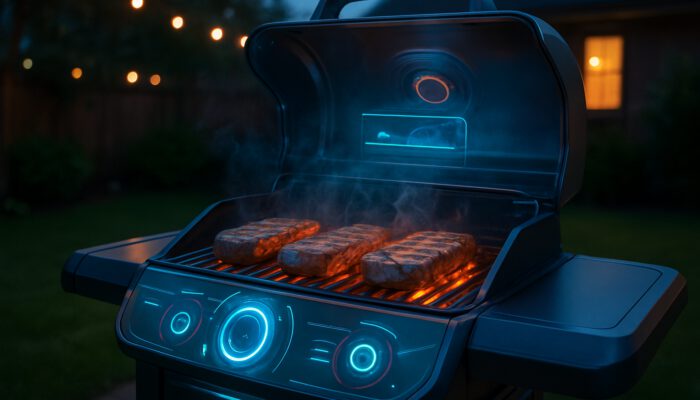
Exploring the Advantages of AI for Perfect BBQ Cooking
Understanding Sensor Technology in BBQ Grills
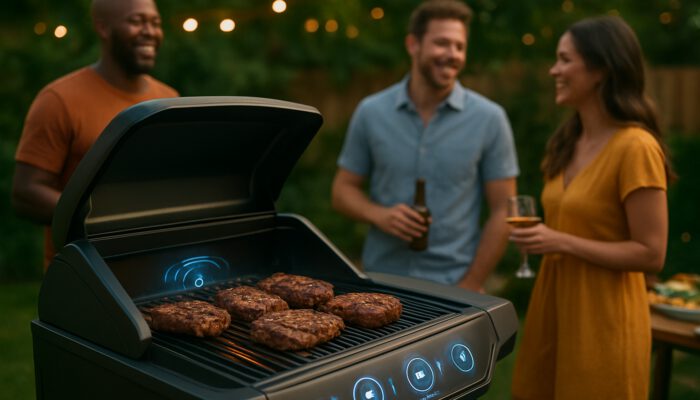
Artificial intelligence has transformed the art of BBQ by integrating sophisticated sensors that constantly monitor temperature levels. These sensors provide instant feedback, ensuring that the grill maintains optimal cooking conditions throughout lengthy grilling sessions. As a result, home chefs can achieve reliable outcomes without the hassle of constant supervision, enabling them to enjoy other aspects of their gatherings.
The incorporation of sensors significantly improves the cooking experience while reducing the chances of overcooking or undercooking dishes. For instance, a smart grill equipped with AI can automatically adjust the heat if it detects any fluctuations, thus preserving a consistent cooking environment. This precision is vital for cooking meats perfectly, a common challenge with traditional grilling methods.
Continuous monitoring of temperature levels allows grillers to relax while cooking. Users can socialize with family and friends without the need to frequently check on the grill, confident that their food is being cooked to perfection. This innovation is revolutionizing outdoor cooking, making it more enjoyable and less stressful.
Understanding Automated Adjustments in AI Grills
A standout feature of AI in BBQ temperature management is its capability for automated adjustments. These systems analyze data in real-time, modifying settings as necessary to ensure even cooking. This proactive approach not only improves food quality but also minimizes the chances of common grilling errors.
For example, if the grill’s temperature starts to decrease due to external factors like wind or rain, the AI system can automatically boost the heat output. This guarantees that the cooking process remains steady, helping users achieve their desired results every time. Such automation is particularly advantageous during extended cooking sessions, such as smoking brisket or ribs, where keeping a stable temperature is crucial.
The convenience of automated adjustments means even novice grillers can produce professional-quality results. With AI managing the technical aspects of temperature control, users can concentrate on refining their grilling skills and experimenting with flavors without worrying about ruining their meals.
Enhancing User Experience with Advanced Interfaces
The user interface of AI-enabled grills is crafted to elevate the overall grilling experience. Intuitive controls enable users to easily monitor their cooking progress and make necessary adjustments. Many modern grills come with smartphone applications that offer real-time updates, notifications, and even remote control features.
Custom presets are another essential feature that streamlines the grilling process. Users can save their preferred cooking profiles for various types of meat or recipes, ensuring that each grilling session meets their specific preferences. This personalization not only enhances outcomes but also encourages experimentation with new dishes and techniques.
User-friendly interfaces often include visual aids, like temperature graphs and cooking timelines. These tools assist grillers in comprehending the cooking process better, making it easier to plan meals and coordinate with other dishes. The combination of these features leads to a more gratifying and successful grilling experience, transforming casual cooks into BBQ aficionados.
Diving into Sensor Technology in BBQ Grills
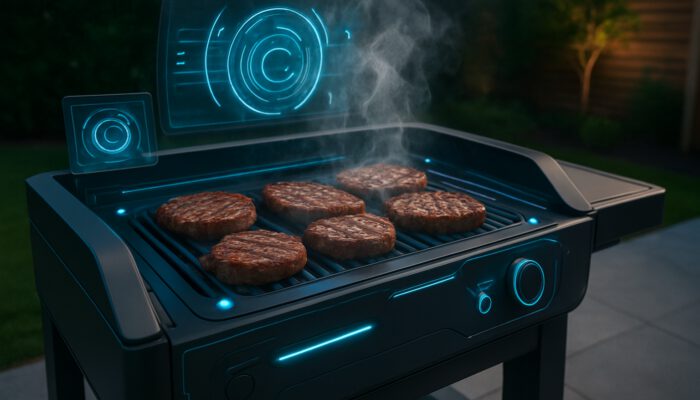
Key Hardware Components of AI Grills
At the core of AI-enhanced BBQ grills are high-quality probes and detectors strategically positioned to gather accurate temperature readings. These components are essential for reliable data collection throughout the cooking process. By measuring heat at various points within the grill, the sensors offer a comprehensive view of the cooking environment.
The materials used in these sensors are engineered to withstand the high temperatures associated with grilling. For instance, stainless steel probes are commonly utilized due to their durability and heat resistance. This ensures that the sensors continue to function effectively over time, providing consistent performance without deterioration.
To temperature probes, some grills also feature humidity sensors, which can refine cooking conditions further. By monitoring both temperature and humidity, these grills can deliver even more accurate cooking results, especially for dishes that require specific moisture levels, such as smoked meats or baked goods.
Effective Data Collection Techniques
Continuous data sampling is a fundamental aspect of how AI enhances BBQ temperature control. By collecting temperature readings at regular intervals, grills can create detailed logs that help identify patterns and optimize future cooking sessions. This data-driven approach allows users to learn from their grilling experiences, leading to more consistent results over time.
For instance, a grill may track how various meats respond to different temperatures and cooking times. By analyzing this data, users can develop a deeper understanding of how to adjust their techniques for optimal outcomes. This not only improves the quality of the food but also boosts the user’s confidence in their grilling skills.
The data collected can offer insights into energy efficiency. By understanding how temperature variations impact cooking times and energy consumption, users can make informed choices that lead to both improved results and reduced energy usage during grilling sessions.
Importance of Calibration in AI Grills

Calibration is a critical process for ensuring the accuracy of temperature readings in AI-powered grills. Regular checks align device readings with established standards, providing trustworthy results across various grill models. This process is vital for maintaining the integrity of the cooking experience, as even minor inaccuracies can lead to unsatisfactory results.
Many modern grills feature built-in calibration functions that simplify this process for users. These features often guide users through calibration steps, ensuring they can maintain their grill’s performance without needing specialized knowledge. This user-friendly approach is particularly advantageous for those new to grilling or technology.
Besides built-in calibration, users can also conduct manual checks using external thermometers. This practice helps verify the accuracy of the grill’s sensors and ensure their proper functioning. Regular calibration not only enhances cooking precision but also prolongs the lifespan of the grill’s components, making it a worthwhile investment for dedicated BBQ fans.
How Does Machine Learning Enhance Heat Prediction in Grilling?
Detailed Algorithm Training Processes
Machine learning algorithms are crucial in predicting heat changes during grilling. These models are trained using historical cooking data, allowing them to anticipate temperature fluctuations and make proactive adjustments. This capability is essential for maintaining stable cooking conditions, especially during lengthy smoking sessions or when preparing larger cuts of meat.
The training process involves inputting various data points into the algorithm, including temperature readings, cooking durations, and external factors like weather conditions. As the model learns from this information, it becomes increasingly skilled at recognizing patterns and forecasting changes. This predictive capability enables the grill to respond dynamically, ensuring that temperatures remain consistent throughout the cooking process.
By leveraging machine learning, AI-powered grills can also adapt to individual user preferences. For instance, if a user frequently cooks ribs at a specific temperature and time, the system can learn these preferences and adjust accordingly. This personalization enhances the overall grilling experience, making it easier for users to achieve their ideal results.
Factors Influencing Prediction Accuracy
Several factors affect the accuracy of prediction models in AI-powered BBQ grills. Understanding these elements helps users appreciate the technology’s capabilities and limitations. Key factors include:
- Weather conditions: Algorithms can adjust predictions based on real-time weather data, such as temperature and humidity.
- Historical performance: Previous cooking sessions provide valuable insights that inform future predictions.
- Type of meat: Different cuts require different cooking techniques, and models can account for these variations.
- Grill type: Each grill model may have unique characteristics that influence heat distribution and retention.
By considering these factors, AI systems can enhance their predictive accuracy, leading to better cooking results. For example, if a sudden drop in ambient temperature occurs, the grill can adjust its heating elements to maintain the desired cooking temperature. This responsiveness distinguishes AI-powered grills from traditional models.
Practical Applications of Machine Learning in Grilling
Real-time applications of machine learning in BBQ temperature control illustrate the technology’s effectiveness in preventing common temperature spikes during extended cooking sessions. For instance, when smoking brisket, maintaining a stable temperature is essential for achieving tender, flavorful results. AI systems can oversee the cooking environment and promptly adjust heat output, guaranteeing consistent cooking conditions.
Another scenario involves outdoor events where weather conditions can shift quickly. If a sudden gust of wind threatens to cool the grill, the AI system can detect this change and react by increasing the heat. This proactive strategy minimizes the risk of undercooked food, ensuring users can serve perfectly cooked meals every time.
Many AI-powered grills offer real-time alerts and notifications, keeping users informed of any significant changes in temperature or cooking progress. This feature allows grillers to stay updated without constantly checking their food, enhancing the grilling experience and reducing stress.
Incorporating Environmental Data for Better Cooking
Machine learning models in AI grills gain significant advantages from incorporating data from various sensors and external weather forecasts. This comprehensive approach enhances the accuracy of heat change predictions, allowing for more stable temperature control during grilling. By considering environmental influences, these systems can anticipate challenges and adjust accordingly.
For example, if a grill detects a temperature drop due to a sudden rain shower, it can compensate by increasing the heat output. This capability ensures that cooking conditions remain optimal, regardless of external factors. Such responsiveness is especially valuable for outdoor cooking, where the weather can be unpredictable.
Integrating environmental data enables users to plan their grilling sessions more effectively. By understanding how different weather conditions affect cooking times and temperatures, grillers can make informed decisions about when to start cooking and how to adjust their techniques. This insight enhances the overall grilling experience and leads to more successful outcomes.
Expert Perspectives on AI’s Impact on BBQ Temperature Control
Recommendations for Professional Setup
If you’re looking to enhance your BBQ experience with AI technology, a professional setup can make a significant impact. Start by selecting a grill compatible with AI modules, ensuring seamless integration with your existing equipment. Many high-end brands now offer models designed specifically for smart technology, making it easier to find the right fit for your preferences.
Once you have the right grill, consider investing in additional sensors that can provide even more data for temperature management. For example, ambient temperature sensors can monitor the surrounding environment, allowing the grill to make more informed adjustments. This combination of hardware and software will elevate your grilling experience significantly.
Lastly, don’t underestimate the importance of software updates. Many AI-powered grills receive regular updates that enhance their performance and introduce new features. Keeping your grill’s software current ensures you benefit from the latest advancements in temperature control technology, maximizing your grilling potential.
Techniques for Evaluating Performance
To assess the performance of AI-enhanced BBQ grills, users can employ several techniques that showcase measurable improvements in cooking consistency. One effective method is to conduct side-by-side comparisons between traditional grilling methods and AI-powered systems. This hands-on approach allows users to observe differences in temperature stability, cooking times, and overall food quality.
Another technique involves tracking cooking data over time. By logging temperature readings, cooking durations, and outcomes, users can identify patterns that highlight the advantages of AI technology. This data-driven approach provides valuable insights into how AI enhances BBQ temperature control, helping users make informed decisions about their grilling practices.
Gathering feedback from family and friends can provide a unique perspective on the results of AI-enhanced grilling. Their impressions of the food’s flavor, texture, and overall quality can validate the technology’s effectiveness. By combining personal experiences with data analysis, users can fully appreciate the advantages of AI in their BBQ routines.
Best Practices for Maintenance
Proper maintenance of an AI-powered grill is essential for maximizing the benefits of intelligent temperature management. Regular updates and checks are crucial for ensuring that systems continue to operate efficiently. Users should familiarize themselves with the grill’s maintenance requirements and schedule routine checks to keep everything in optimal condition.
To software updates, physical maintenance is equally important. Regularly cleaning sensors and probes prevents buildup that could affect accuracy, ensuring reliable temperature readings. Users should also inspect connections and wiring to identify potential issues before they escalate.
Lastly, monitoring the overall performance of the grill is beneficial. If users notice inconsistencies in temperature control or other issues, addressing them promptly can avert more significant complications. By adhering to these maintenance best practices, users can enjoy the full advantages of AI-enhanced BBQ temperature control for years.
Challenges Associated with Traditional BBQ Methods
Issues with Manual Monitoring
One of the primary challenges with traditional BBQ methods is the necessity for constant manual monitoring. Grillers often find themselves checking the temperature frequently, which can be time-consuming and lead to inconsistencies in cooking. This constant attention can detract from the overall enjoyment of the grilling experience, especially during lengthy cooking sessions.
The manual approach can also be particularly problematic during outdoor events, where distractions abound. While trying to socialize or prepare side dishes, grillers may inadvertently neglect their cooking, resulting in overcooked or undercooked food. This lack of focus can lead to frustration and disappointment, undermining the joy of outdoor cooking.
In contrast, AI-powered grills alleviate this burden by automating temperature control. With advanced sensors and real-time adjustments, these systems allow users to engage in other activities without worrying about their food. This shift not only enhances the grilling experience but also ensures that meals are cooked to perfection every time.
Causes of Temperature Fluctuations
Temperature fluctuations during grilling can arise from various environmental factors, creating challenges for traditional setups. Wind, rain, and even changes in ambient temperature can disrupt the steady heat required for consistent cooking. These fluctuations often necessitate constant adjustments, which can be difficult to manage, particularly for novice grillers.
For example, a sudden gust of wind can cool the grill’s surface, leading to a drop in temperature that affects cooking times. Traditional grills may struggle to compensate for these changes, resulting in unevenly cooked food. This situation can be especially frustrating for those aiming for precise doneness levels, such as medium-rare steaks or tender brisket.
AI-powered grills address these challenges by continuously monitoring environmental conditions and making real-time adjustments. This capability ensures that temperatures remain stable, allowing users to focus on their cooking without the stress of constant manual intervention. By mitigating the impact of external factors, AI technology enhances the overall grilling experience.
Strategies for Overcoming Inefficiencies
Exploring upgrade options is a key strategy for overcoming inefficiencies associated with traditional BBQ methods. One effective way to enhance grilling performance is by investing in AI-powered grills that offer intelligent temperature control. These systems provide automatic adjustments and real-time monitoring, significantly improving cooking consistency.
Another approach for improvement is to incorporate additional sensors into existing setups. For example, adding ambient temperature sensors can help users understand how environmental factors affect their grilling. This knowledge allows for better planning and adjustments, leading to more reliable results.
Lastly, engaging with online communities or local BBQ clubs can provide valuable insights into best practices and techniques. Sharing experiences with other grillers can reveal new ideas for overcoming challenges and improving overall performance. By embracing modern enhancements and learning from others, users can achieve more reliable results in their BBQ endeavors.
Research-Based Advantages of AI in BBQ Temperature Control
Findings on Efficiency Improvements
Research indicates that AI-enhanced BBQ systems can significantly boost efficiency compared to traditional grilling methods. Data from controlled tests reveals that these intelligent controls reduce energy consumption while improving cooking outcomes. This efficiency stems from the ability of AI systems to maintain stable temperatures and minimize fluctuations that lead to wasted energy.
In one study, grills equipped with AI technology demonstrated a notable decrease in energy use during lengthy cooking sessions. By optimizing heat output based on real-time data, these grills ensured that energy was utilized more effectively, resulting in cost savings for users. This finding underscores the dual benefits of AI technology: enhanced cooking results and lower energy costs.
The increased efficiency of AI-powered grills can lead to superior food quality. By maintaining consistent temperatures, these systems help prevent overcooking and undercooking, ultimately enhancing the overall taste and texture of grilled foods. This combination of efficiency and quality makes AI-enhanced grilling an appealing option for both casual and serious BBQ enthusiasts.
Long-Term Benefits of Adopting AI in Residential BBQ
Long-term adoption of AI technology in residential BBQ settings offers several key advantages:
- Cost savings from reduced energy consumption.
- Time savings through automated temperature management.
- Improved cooking consistency and quality.
- Enhanced user experience with intuitive controls and monitoring.
These advantages attract dedicated grilling enthusiasts, making the transition to AI-powered systems a worthwhile investment. As more users experience the benefits of intelligent temperature control, the popularity of these technologies is likely to continue growing.
The long-term reliability of AI systems ensures that users can enjoy the benefits of consistent cooking year after year. By investing in modern grilling technology, users can elevate their BBQ experiences and achieve professional-level results without the stress of traditional methods.
Analyzing Comparative Performance Metrics
Expert analysis of performance metrics reveals the superior results achieved by AI-enhanced grilling techniques compared to non-automated methods. One key metric is cooking consistency, where AI systems consistently deliver even results across various types of meat and cooking styles. This reliability is particularly valuable for dishes that require precise temperature control, such as smoked brisket or perfectly seared steaks.
Another important metric is energy efficiency. Studies show that AI-powered grills utilize energy more effectively, leading to lower overall consumption during cooking sessions. This efficiency translates not only to cost savings but also reduces the environmental impact of grilling, making it a more sustainable option.
User satisfaction ratings tend to be higher for AI-enhanced grills. Feedback from grillers highlights the ease of use, improved outcomes, and reduced stress associated with automated temperature control. These positive experiences contribute to the rising popularity of AI technology in the grilling community, as more individuals seek to elevate their outdoor cooking experiences.
The Advantages of Choosing AI Over Manual Adjustments
Detailed Precision Benefits
AI-powered grills provide precision advantages that significantly improve the grilling experience. Automated systems offer exact control over temperature, minimizing errors that can occur with manual adjustments. This level of accuracy is especially beneficial for complex recipes that require specific cooking conditions, allowing users to achieve professional results with minimal intervention.
For example, when preparing delicate items like fish or vegetables, maintaining the right temperature is critical. AI systems can monitor and adjust heat levels in real-time, ensuring that these foods cook evenly without the risk of overcooking. This precision not only enhances food quality but also boosts users’ confidence in their grilling abilities.
The ability to program custom cooking profiles enables users to experiment with various techniques and flavors. By relying on AI technology, grillers can focus on perfecting their recipes instead of worrying about temperature fluctuations. This shift in focus contributes to a more enjoyable and successful grilling experience.
Time-Saving Advantages of AI Grills
One of the most significant benefits of AI-powered grills is the time-saving aspect they offer. With automated temperature control, users can engage in other tasks while their food cooks, freeing them to socialize, prepare side dishes, or simply relax. This convenience is particularly valuable during outdoor gatherings, where distractions are plentiful.
The capacity to monitor cooking progress through smartphone apps further enhances time savings. Users can receive notifications about temperature changes or cooking completion without needing to hover over the grill. This level of connectivity allows for a more relaxed grilling experience, enabling users to enjoy their time with family and friends while still achieving excellent results.
The efficiency of AI systems can lead to shorter cooking times. By maintaining stable temperatures and making real-time adjustments, these grills can help users achieve their desired doneness levels more quickly. This efficiency is especially beneficial for busy households, where time is often limited.
Reliability Improvements with AI Technology
The reliability improvements offered by AI-powered grills are considerable, enhancing the overall grilling experience. With intelligent temperature control, users can trust that their food will cook evenly and consistently, reducing the likelihood of disappointing results. This reliability builds confidence, allowing users to experiment with new recipes and techniques without fear of failure.
The automation of temperature adjustments means that users no longer need to worry about constant monitoring of their grills. This peace of mind allows for a more enjoyable grilling experience, as users can focus on other aspects of their gatherings without the stress of manual oversight. The technology effectively removes the guesswork from grilling, leading to more successful outcomes.
The integration of machine learning capabilities means that AI systems can learn from past cooking sessions. This ability to adapt and improve over time further enhances reliability, as users can expect consistent performance tailored to their specific preferences and cooking styles. By opting for AI over manual adjustments, grillers can enjoy a more dependable and satisfying grilling experience.
Future Directions in Smart Grilling Technology
Emerging Software Innovations
The future of smart grilling technology is promising, with emerging software updates set to expand customization options and enhance predictive capabilities. As manufacturers continue to innovate, users can anticipate new features that improve the overall grilling experience. These updates may include advanced algorithms that better predict temperature changes, leading to even more precise cooking.
To improved predictive capabilities, future software updates are expected to introduce new user interface features that enhance convenience. For instance, more intuitive controls and improved connectivity options could enable users to interact with their grills more seamlessly. This level of innovation will further elevate the grilling experience, making it accessible to both novice and experienced cooks alike.
As smart home technology continues to evolve, integration with other devices will become increasingly common. This interconnectedness will allow users to create unified experiences that streamline various aspects of outdoor meal preparation, from grilling to serving. As these trends develop, the future of smart grilling technology promises to be more efficient, user-friendly, and enjoyable.
Connecting Smart Grills with Other Devices
The integration of smart grilling technology with other devices is a significant trend shaping the future of outdoor cooking. As more households adopt smart home systems, the ability to connect grills with other appliances will create unified experiences that streamline meal preparation. For instance, users may coordinate their grills with smart ovens or refrigerators, optimizing cooking times and temperatures across multiple devices.
This interconnectedness not only enhances convenience but also improves overall efficiency. For example, if a smart grill detects that a side dish in the oven is nearing completion, it can adjust its cooking parameters accordingly. This level of coordination ensures that all components of a meal are ready to serve simultaneously, enhancing the dining experience.
Integration with voice-activated assistants could further simplify grilling tasks. Users may issue commands or receive updates about their cooking progress through simple voice interactions, making the grilling process even more hands-free. As these technologies continue to evolve, the potential for smart grilling will only expand, offering users new ways to enjoy outdoor cooking.
Opportunities for Innovation Ahead
The future of smart grilling technology holds exciting innovation opportunities that promise to enhance the grilling experience. Key benefits of adopting forthcoming advancements in temperature management tools include:
- Enhanced precision in temperature control for consistent results.
- Improved user experience through intuitive interfaces and connectivity.
- Greater energy efficiency, leading to cost savings and a reduced environmental impact.
- Increased customization options to cater to individual cooking styles and preferences.
As these innovations emerge, users can look forward to a more enjoyable and successful grilling experience. The combination of advanced technology and user-friendly features will empower grillers to explore new techniques and flavors, ultimately elevating their outdoor cooking adventures.
Deepening AI Integration in Grilling
Advanced AI integration in grilling technology will enable grills to learn from user preferences over time. This capability will allow systems to suggest optimal cooking settings based on past meals, weather conditions, and ingredient types. users can expect consistently perfect results with minimal effort.
For instance, if a user frequently grills chicken at a specific temperature and duration, the AI system can remember these preferences and automatically adjust during future cooking sessions. This personalized approach simplifies the grilling process and enhances the overall cooking experience by delivering tailored results.
Analyzing historical cooking data will enable AI systems to provide actionable insights. Users may receive recommendations on how to improve their techniques or adjust cooking parameters for different ingredients. This level of intelligence will make AI-powered grills a valuable asset for both novice and experienced grillers, ensuring that every meal is a success.
Focus on Sustainable Energy Solutions
The future of smart grilling technology will also emphasize sustainable energy solutions. Upcoming grills are expected to incorporate solar power and energy-efficient components that minimize environmental impact while maintaining high performance. This shift toward eco-friendly practices aligns with the growing consumer demand for sustainable products.
By utilizing renewable energy sources, smart grills can operate more efficiently, reducing their carbon footprint. This approach not only benefits the environment but also appeals to environmentally conscious consumers seeking to minimize their impact while enjoying outdoor cooking.
Energy-efficient components can lead to significant cost savings over time. As these technologies gain traction, users can expect to enjoy lower energy bills alongside their delicious grilled meals. The integration of sustainable solutions in smart grilling technology represents a promising trend that will shape the future of outdoor cooking.
Frequently Asked Questions
What role does AI play in BBQ grilling?
AI in BBQ grilling involves utilizing artificial intelligence technology to enhance temperature control, automate adjustments, and improve cooking consistency. This technology allows for precise monitoring and real-time adjustments, ensuring optimal cooking conditions.
How does AI enhance temperature management?
AI improves temperature management by integrating advanced sensors that continuously monitor heat levels. These systems analyze data in real-time, making automatic adjustments to maintain consistent cooking temperatures throughout the grilling process.
Can I retrofit AI technology onto my existing grill?
Yes, many AI modules are designed for compatibility with existing grills. By adding sensors and smart technology, users can upgrade their traditional grills to enjoy automated temperature control and improved cooking performance.
What are the advantages of utilizing AI for BBQ grilling?
Advantages of using AI for BBQ include enhanced cooking consistency, reduced energy consumption, time savings, and an improved user experience. AI technology enables users to focus on other tasks while ensuring their food is cooked to perfection.
How do the sensors work in AI grills?
Sensors in AI grills monitor temperature and environmental conditions. They provide real-time data that helps the grill make automatic adjustments, ensuring that cooking temperatures remain stable throughout the grilling process.
Are AI grills more expensive than traditional options?
AI grills can be more expensive than traditional models, but they offer additional features and benefits that justify the cost. The investment often results in enhanced cooking results and energy savings over time.
How frequently should I calibrate my AI grill?
Calibration frequency depends on usage and environmental factors. Regular checks are recommended to ensure accuracy, especially if the grill is used frequently or exposed to varying weather conditions.
Can AI grills accommodate different types of meat?
Yes, AI grills are designed to handle various types of meat, adjusting cooking parameters based on the specific needs of each cut. This adaptability ensures consistent results for all grilling styles.
What maintenance is essential for AI grills?
Maintenance for AI grills includes regular software updates, cleaning sensors and probes, and checking connections. Keeping the grill in optimal condition ensures reliable performance and longevity.
What future developments can we anticipate in smart grilling technology?
Future developments in smart grilling technology may include enhanced AI integration, improved user interfaces, and sustainable energy solutions. These advancements will continue to elevate the grilling experience, making it more efficient and enjoyable.