

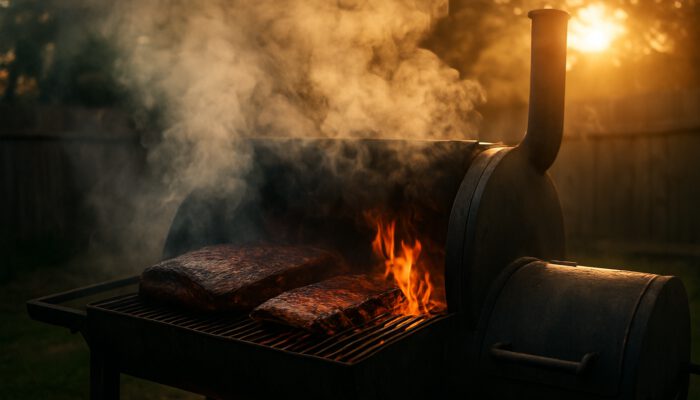
Choosing Quality Mesquite Wood for Barbecuing Across the United States
Understanding Regional Variations of Mesquite Wood
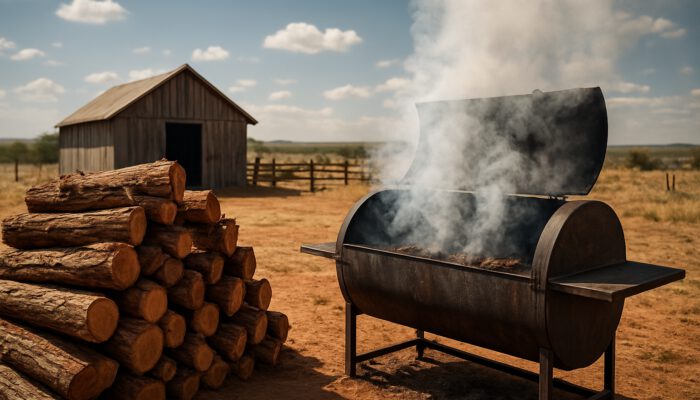
Home cooks in the southern plains frequently seek out local mesquite varieties sourced from Texas ranches. This robust hardwood thrives in arid environments, providing a reliable and robust smoke flavor ideal for lengthy barbecue sessions lasting several hours. Mesquite wood’s distinctive traits, such as its high resin content, contribute to the rich, intense flavors that many barbecue aficionados desire.
In Texas, mesquite has become a staple among pitmasters, where its use signifies a crucial step for anyone aspiring to perfect the art of smoking meat. The powerful smoke generated by mesquite complements beef exceptionally well, especially brisket, which holds a prominent place in Texan barbecue culture. Familiarizing yourself with regional varieties can greatly enhance your smoking experience, as different locations may produce wood with subtly different flavor nuances.
When choosing mesquite, prioritize local suppliers who adhere to sustainable harvesting practices. This not only guarantees high-quality wood but also supports responsible forestry efforts. Opting for regional varieties will enrich your barbecue’s flavor while also honoring the culinary traditions of the southern plains.
Evaluating Seasoning and Storage Methods
Well-seasoned mesquite chunks, dried for at least six months, yield cleaner burns and deeper flavor infusion in offset smokers. Proper seasoning is essential as it allows the wood to shed excess moisture, which can result in a bitter taste if not adequately dried. Seek out suppliers who can confirm their wood has been seasoned correctly, as this factor will significantly influence your cooking outcomes.
Storage techniques also impact the quality of mesquite wood. Keep your mesquite in a cool, dry location, away from moisture and direct sunlight. This practice helps prevent mold and preserves the wood’s flavor integrity. Many barbecue enthusiasts advise storing wood in a well-ventilated area to promote air circulation, which further enhances its quality.
Consider the size of the wood chunks you select. Larger pieces tend to burn longer and provide a more extended smoking period, while smaller chunks ignite quickly and can impart a more intense smoke flavor initially. Striking the right balance in size and seasoning will elevate your barbecue experience.
Ensuring Wood Quality: Avoid Treated or Contaminated Sources
It’s crucial to verify that suppliers adhere to sustainable harvesting guidelines in national forests to avoid chemical residues that could compromise food safety. Treated wood may contain harmful chemicals that, when burned, can leach into your food, presenting health hazards. Always source mesquite from reputable vendors who guarantee their wood is free from contaminants or treatments.
When buying mesquite, look for certifications or labels that indicate sustainable harvesting. This ensures you receive high-quality wood and support eco-friendly practices. Numerous local suppliers in Texas and neighboring regions offer untreated mesquite, making it easier to find safe options.
Exercise caution if you plan to forage for mesquite yourself. Always obtain permission from landowners and ensure that you are not collecting from protected areas. Responsible sourcing is vital to enjoying the rich flavors of mesquite while preserving the environment for future generations of barbecue lovers.
How to Prepare Your Grill for Optimal Mesquite Smoking
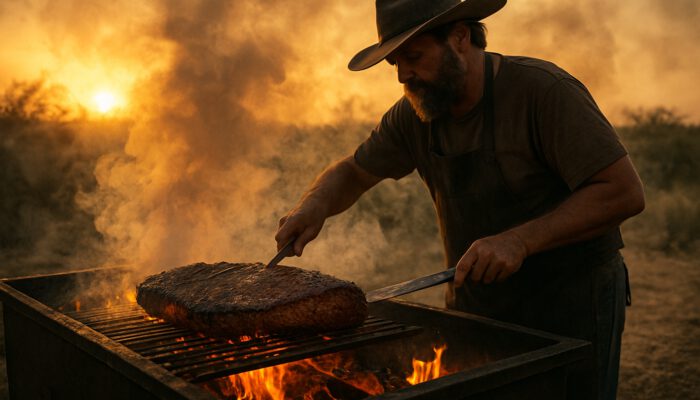
Cleaning Grates to Eliminate Residue
Before adding fresh mesquite pieces, it’s essential to clear away any accumulated ash from your grill grates. Use stiff wire brushes designed specifically for cast iron grates, commonly found in American backyard setups. Cleaning the grates not only prevents old flavors from contaminating your new cook but also ensures even heat distribution, which is critical for achieving the perfect barbecue.
Regular upkeep of your grill enhances both its longevity and performance. A clean grill allows for improved airflow and heat retention, vital when smoking with mesquite. Make it a routine to clean your grill after each use to keep it in excellent condition for future barbecues.
After cleaning, inspect the grates for any signs of damage or wear. If you identify any issues, consider replacing them to maintain a safe and effective cooking surface. A well-maintained grill not only improves cooking outcomes but also enriches your overall grilling experience.
Strategically Arranging Wood Chunks for Consistent Heat
The arrangement of wood chunks is vital for achieving even heat when using mesquite. Position larger chunks near the perimeter of the firebox to maintain steady temperatures around 225 degrees, typical for Texas-style brisket smoking. This layout facilitates a gradual release of smoke and heat, fostering a controlled cooking environment.
Think about using a mix of mesquite chunks and charcoal to establish a balanced heat source. Charcoal serves as a steady base, while mesquite introduces that sought-after smoke flavor. Layering mesquite over lit lump charcoal can create complex smoke profiles favored in competitive barbecue settings.
Monitoring your wood arrangement throughout the cooking process is also essential. As the chunks burn down, you may need to add more wood to sustain the desired temperature and smoke output. Staying attentive to your wood arrangement will help you achieve consistent results and enhance the flavor of your smoked meats.
Adjusting Airflow Controls on Smokers for Optimal Performance
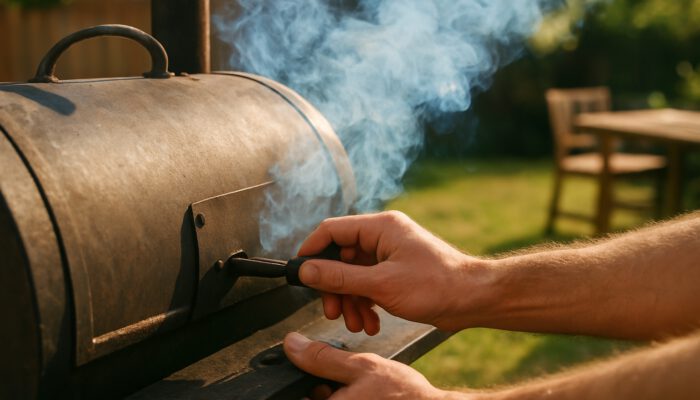
Gradually adjusting intake and exhaust vents is crucial for maintaining optimal oxygen levels that produce the signature blue smoke associated with quality American barbecue. Proper airflow control ensures that your mesquite burns efficiently, delivering clean and flavorful smoke without bitterness.
Begin by fully opening the vents to ignite the fire, then slowly close them to regulate airflow as the temperature stabilizes. This approach allows you to maintain a consistent cooking environment, particularly for lengthy smoking sessions. Understanding how your smoker responds to airflow adjustments will help you refine your technique.
Keep an eye on the smoke color as well. Thin blue smoke is ideal, indicating that the wood is combusting cleanly. If you observe thick white smoke, it may suggest excess moisture in the wood or restricted airflow. Adjusting your smoker’s airflow controls can help you achieve that perfect smoke profile, enhancing the overall flavor of your barbecue.
How Does Mesquite Produce Intense Smoke in American Kitchens?
Soaking Wood Chunks for Controlled Smoking
Briefly soaking mesquite pieces in water for thirty minutes can help manage flare-ups while prolonging smoke production during indoor electric smoker usage. This technique is particularly beneficial for those residing in urban apartments where outdoor grilling is not an option. Soaking the wood allows it to smolder instead of igniting rapidly, resulting in a more controlled smoke output.
While soaking can initially reduce smoke intensity, it’s important to strike the right balance. Over-soaking may lead to diminished smoke flavor, while under-soaking could cause rapid combustion. Experimenting with various soaking durations can help you determine the ideal approach for your specific cooking style and equipment.
To soaking, consider the size of the wood chunks you utilize. Smaller pieces absorb moisture faster, while larger chunks may need longer soaking times. By adjusting both the soaking duration and the size of your mesquite, you can tailor the smoke flavor to match your preferences.
Combining Mesquite with Charcoal for Enhanced Flavor
Layering mesquite over lit lump charcoal can create the complex smoke profiles favored in competitive barbecue circuits held throughout the Midwest each summer. This combination allows the charcoal to provide a steady heat source while mesquite contributes that intense, smoky flavor that many barbecue enthusiasts desire.
When employing this method, closely monitor the temperature. The charcoal will ignite the mesquite, generating flavorful smoke that enhances your meat. Adjusting the quantity of mesquite used can help you control the smoke flavor intensity, resulting in a more nuanced cooking experience.
Consider pairing mesquite with other woods as well. Mixing mesquite with fruitwoods like apple or cherry can produce a unique flavor profile that balances mesquite’s strong characteristics with the sweetness of the fruitwoods. Experimenting with different combinations can lead to exciting new flavors in your barbecue.
Observing Changes in Smoke Color for Quality Control
Monitoring for thin blue smoke instead of thick white clouds is essential for ensuring clean flavor infusion without bitter aftertastes in finished dishes. The smoke color can indicate the efficiency of your mesquite’s combustion and whether adjustments are necessary in your cooking method.
Thin blue smoke signifies that the wood is burning effectively and producing the desirable flavors associated with quality barbecue. If you notice thick white smoke, it might indicate that the wood is not fully igniting or that excessive moisture is present. Adjusting airflow and wood positioning can help achieve that ideal smoke color.
Pay attention to the timing of your smoke exposure. Depending on the type of meat you’re cooking, you might want to adjust how long the mesquite is in contact with the food. Monitoring smoke color throughout the cooking process can help you achieve the perfect flavor balance without overwhelming your dish.
Insights from Experts on Utilizing Mesquite for Intense Smoke Flavor
Real-World Examples from Acclaimed Pitmasters
Expert insights on the timing of wood additions during long cooks are vital for achieving the best outcomes in championship events across the United States. Many successful pitmasters stress the importance of adding mesquite at the right moments to ensure a well-rounded smoke flavor. For example, incorporating mesquite during the first few hours of cooking imparts a robust flavor, while later additions can enhance the overall profile without being overpowering.
Real-world examples from respected pitmasters effectively demonstrate these principles. For instance, a renowned BBQ competitor may add mesquite chunks every hour during a 12-hour brisket cook, ensuring that the meat absorbs smoke at various stages. This technique fosters a more complex flavor profile that judges often reward in competitions.
Learning from these professionals helps beginners grasp the subtleties of effective mesquite use. By observing how experts manage their wood usage during extended cooks, home cooks can refine their techniques and achieve competition-level results in their own backyards.
Actionable Steps for Novices in Mesquite Smoking
For those new to using mesquite, selecting chunk sizes that fit standard drum smokers commonly sold in American hardware stores is crucial. Beginners should start with chunks that measure approximately 2-3 inches, as this size allows for a steady burn and consistent smoke output. Using chunks that are too small may lead to rapid combustion, while larger pieces might not ignite properly.
When loading your smoker, arrange the chunks to promote airflow. Position them around the perimeter of the firebox to allow for even heat distribution. This setup not only helps maintain a consistent temperature but also ensures that the mesquite burns uniformly, delivering that intense smoke flavor throughout the cooking process.
It’s also beneficial for beginners to keep a log of their smoking sessions. Documenting chunk sizes, cooking times, and results can aid in refining techniques over time. This practice enables novice pitmasters to learn from their experiences and enhance their skills with mesquite.
Expert Analysis on Flavor Pairing with Mesquite
Certain cuts, such as pork shoulder, respond exceptionally well to mesquite when prepared in home kitchens across the Great Plains. The rich, fatty nature of pork shoulder allows it to absorb the intense smoke flavor, resulting in a delectably smoky and tender final product. Many barbecue enthusiasts advocate for using mesquite for pulled pork, as its robust flavor complements the meat’s inherent sweetness.
To pork, mesquite pairs beautifully with beef, particularly brisket and ribs. The bold flavors of mesquite elevate the savory elements of these cuts, creating a harmonious balance that is highly sought after in American barbecue. For those experimenting with mesquite, consider using a dry rub that incorporates spices like cumin and chili powder to further enhance the flavor profile.
Grasping the concept of flavor pairing can elevate your barbecue skills. By selecting the right cuts of meat to pair with mesquite, you can create dishes that not only taste exceptional but also showcase the unique qualities of this wood. Trying out different meats and seasonings will help you discover your ideal combinations.
Best Practices for Sourcing Mesquite Wood
Choosing high-quality mesquite logs from reputable suppliers in the southwestern United States is essential for achieving the most consistent and intense smoke flavor profiles in backyard grills nationwide. Look for suppliers who can provide insights into their sourcing practices and ensure that the wood is harvested sustainably.
When purchasing mesquite, examine the wood’s appearance. Quality mesquite should feature a rich, deep color and a firm texture. Avoid logs that appear cracked or show signs of mold, as these can adversely affect the flavor of your barbecue. Numerous local suppliers in Texas provide premium mesquite options, making it easier to find the best wood for your culinary needs.
Consider the moisture content of the wood. Properly seasoned mesquite should have a moisture content of around 20% or less. Investing in a moisture meter can help you confirm that the wood you are using is adequately dried, essential for achieving the best smoke flavor and cooking results.
Why Mesquite is Ideal for Smoking Techniques in the US
Delivering Robust Woody Aromatics
Mesquite wood is renowned for its potent woody aromatics, which elevate the flavor of meats, especially during Fourth of July celebrations in suburban neighborhoods. Its bold smoke flavor pairs exceptionally well with beef ribs, making it a preferred choice for summer cookouts. The intense aroma of mesquite smoke creates an inviting atmosphere, bringing friends and family together around the grill.
Key advantages of pairing mesquite with beef ribs include:
- Strong flavor enhancement
- Rich, smoky aroma
- Ideal for slow cooking
- Creates a beautiful bark on meats
These qualities make mesquite a top choice for those looking to impress guests with flavorful barbecue. The strong woody notes complement the meat’s natural flavors, resulting in a deliciously memorable meal.
Beyond beef, mesquite can also amplify the flavors of other meats, such as chicken and pork. Its versatility allows for a wide array of culinary applications, making it a staple in many backyard grilling setups. Learning to use mesquite effectively can boost your barbecue skills and amaze your guests.
Enduring Extended Cooking Times
This hardwood maintains its structure during the twelve-hour smoking sessions required for competition briskets prepared in regions like Kansas and Oklahoma. Mesquite’s density enables it to burn slowly and evenly, offering a consistent source of heat and smoke throughout the cooking process. This feature is particularly advantageous for lengthy smoking sessions, where maintaining temperature and smoke levels is critical.
When utilizing mesquite for extended cooking times, monitor the wood’s condition closely. Ensure that the chunks are sufficiently large to endure the entire cook, and consider adding more wood as necessary to sustain the desired smoke flavor. Many pitmasters suggest a mix of mesquite and other woods to create a balanced smoke profile that stands the test of time.
Using a well-insulated smoker can also help retain heat and moisture, enhancing the cooking process further. The combination of mesquite’s durability and proper equipment leads to successful long-term smoking, resulting in tender, flavorful meat that is sure to impress.
Enhancing Dry Rub Ingredients with Mesquite Smoke
Mesquite smoke accentuates spices such as chili powder and cumin that are commonly used in traditional American dry rub recipes. The robust flavor of mesquite pairs beautifully with the heat of chili powder, creating a delightful balance that elevates smoked meats. When crafting your dry rub, consider incorporating these spices to complement mesquite’s natural smokiness.
To chili powder and cumin, other spices like paprika, garlic powder, and brown sugar can further enrich the flavor profile. The sweetness of brown sugar contrasts wonderfully with mesquite’s bold smokiness, resulting in a well-rounded flavor that is sure to satisfy. Experimenting with various spice combinations can lead to exciting new flavors in your barbecue.
Understanding how mesquite interacts with different spices allows you to create unique dry rubs that highlight its intense smoke flavor. By carefully selecting your ingredients, you can craft a signature rub that enhances your barbecue and leaves a lasting impression on your guests.
Research-Backed Benefits of Utilizing Mesquite for Intense Smoke Flavor
Facilitating Consistent Temperature Control
Using mesquite splits that effectively retain heat in ceramic kamado grills, common in many American backyards, can significantly elevate your smoking experience. The dense composition of mesquite enables it to burn longer and maintain a stable temperature, essential for achieving optimal cooking results. Proper temperature control is vital for smoking meats, ensuring even cooking and flavor infusion.
To achieve consistent temperature control, preheat your kamado grill with a combination of charcoal and mesquite. Closely monitor the temperature, adjusting the airflow as necessary to maintain a steady heat level. This approach allows you to capitalize on mesquite’s heat-retaining qualities while ensuring your meat cooks evenly.
Consider using a digital thermometer to monitor both the grill temperature and the internal temperature of the meat. This level of oversight can help you make real-time adjustments, ensuring that your mesquite smoking sessions yield delicious results every time.
Enhancing the Maillard Reaction on Meat Surfaces
Intense smoke accelerates the browning process on steaks grilled over direct mesquite flames in outdoor kitchens. The Maillard reaction, responsible for the delicious crust on grilled meats, is heightened by the high heat and smoke produced by mesquite. This reaction not only adds flavor but also creates an appealing appearance, making your dishes more visually attractive.
When grilling steaks, consider using mesquite as your primary fuel source. The intense heat generated by mesquite enables a quick sear, locking in juices and forming that coveted crust. Experimenting with various cooking times and temperatures can help you find the perfect balance between smoky flavor and a beautifully browned exterior.
Understanding how mesquite interacts with the cooking process can elevate your grilling skills. By harnessing the power of the Maillard reaction, you can create mouthwatering dishes that leave a lasting impression on your guests, showcasing mesquite’s unique qualities.
Minimizing the Need for Additional Seasonings
Effectively using mesquite smoke during weekend family cookouts can lead to reduced salt usage, as the wood’s intense flavor enhances the meat’s natural taste. Many barbecue enthusiasts discover they can cut back on salt and other seasonings when using mesquite, allowing the smoke to shine through and create a more balanced flavor profile.
For instance, when smoking chicken or pork, a simple rub of mesquite, pepper, and garlic powder may be sufficient to produce a deliciously smoky dish. This approach not only enhances flavor but also encourages healthier eating by lowering sodium intake.
Experimenting with different meats and cooking techniques can help you find the right balance of mesquite smoke and seasonings. By understanding how mesquite interacts with various ingredients, you can create flavorful dishes that highlight this wood’s unique qualities while keeping your seasoning simple and effective.
Where to Find Top-Quality Mesquite in the United States
Exploring Local Sawmills and Nurseries
Numerous regional mills in arid areas sell kiln-dried mesquite suitable for home smokers and provide delivery services to residential locations. Visiting local sawmills and nurseries allows you to discover high-quality mesquite while supporting local businesses. These suppliers often possess firsthand knowledge of their products and can offer recommendations tailored to your cooking needs.
When selecting mesquite from a sawmill, inquire about the drying process. Kiln-dried mesquite is ideal for smoking, as it guarantees lower moisture content, resulting in cleaner burns and superior flavor. Many sawmills also provide various cut sizes, enabling you to choose the best fit for your grill or smoker.
Ask about the sourcing practices of the sawmill. Supporting suppliers who prioritize sustainable harvesting ensures you are purchasing quality wood while contributing to responsible forestry practices. Building relationships with local suppliers can enhance your barbecue experience and grant access to the finest mesquite available.
Purchasing from Specialty Barbecue Retailers
Online vendors offer pre-cut mesquite chips packaged for convenience and ship promptly to customers nationwide. Ordering from specialty barbecue retailers enables you to access a diverse selection of mesquite products, such as chips, chunks, and logs. These suppliers often provide detailed descriptions of their products, assisting you in making informed choices based on your cooking style.
When ordering mesquite online, consider the size and type of wood that will best suit your grilling setup. For instance, chips are perfect for quick smoking sessions, while larger chunks are more appropriate for prolonged cooks. Many retailers also offer mixed wood options, allowing you to experiment with various flavor profiles.
Utilize customer reviews and ratings to identify reputable online vendors. Reading other customers’ experiences can provide valuable insights into the quality of the wood and the service offered by the retailer. By sourcing your mesquite from trusted online suppliers, you can ensure a consistent and enjoyable barbecue experience.
Responsible Foraging on Private Land
Gaining permission from landowners before collecting fallen branches is crucial for ensuring legal and sustainable harvesting practices. Foraging for mesquite can be a rewarding endeavor, but it’s essential to respect property rights and adhere to local regulations. Always ask for permission and be considerate of the environment when gathering wood.
When foraging, seek healthy mesquite trees that have naturally shed branches. Avoid cutting live trees or harming the ecosystem, as this can have long-lasting effects on the local environment. Practicing responsible foraging not only ensures ethical behavior but also supports the sustainability of mesquite resources.
Consider joining local foraging groups or communities to learn more about sustainable practices and connect with others who share your interest in mesquite. These networks can provide valuable information and support as you delve into the world of mesquite smoking.
Proven Strategies for Using Mesquite for Intense Smoke Flavor
Alternating Wood Types Throughout the Cooking Process
Switching between mesquite and fruitwoods during the final stages of smoking pork in American backyard setups can create a more complex flavor profile. By starting with mesquite for the initial smoke, you can achieve bold flavors, then transition to fruitwoods like apple or cherry for a sweeter finish. This technique allows you to enjoy the best of both worlds, balancing the intense smokiness of mesquite with the gentle sweetness of fruitwoods.
Key advantages of rotating wood types include:
- Improved flavor complexity
- Balanced sweetness and smokiness
- Enhanced aroma
- Unique taste experiences
Experimenting with various combinations of mesquite and fruitwoods can lead to exciting new flavors in your barbecue. Understanding how these woods interact helps you create signature dishes that will leave a lasting impression on your guests.
Consider the timing of your wood rotations as well. Introducing fruitwoods during the final hour of cooking can provide a subtle sweetness without overwhelming the initial mesquite smoke. This strategy allows for a gradual flavor transition, leading to a well-rounded final product.
Carefully Managing Moisture Levels
Misting wood piles to prevent rapid burning that can cause temperature spikes is a trusted strategy for effectively using mesquite. Maintaining the right moisture levels in your wood is critical for achieving a balanced smoke flavor and avoiding flare-ups. Lightly misting the wood before use can help control the burn rate, resulting in more even smoke production.
Be cautious not to soak the wood, as excessive moisture can lead to poor combustion. A light spray of water is typically sufficient to achieve the desired effect. This practice is especially beneficial during hot and dry conditions, where wood tends to dry out quickly.
To misting, consider storing your mesquite in a cool, shaded area to help maintain its moisture content. This approach preserves the wood’s flavor integrity and ensures a superior smoking experience. By carefully managing moisture levels, you can enhance your barbecue results and enjoy the rich flavors of mesquite.
Documenting Your Results for Future Reference
Keeping simple logs of smoking times and wood quantities used for reproducible outcomes is a valuable practice for any barbecue enthusiast. By documenting your smoking sessions, you can identify what works and what doesn’t, allowing you to refine your techniques over time. This practice helps you build a personal reference guide that can lead to consistent results.
When logging your sessions, include details such as the type of meat, wood chunk sizes, cooking temperature, and total smoking duration. This information can provide insights into how different variables affect the final flavor of your barbecue. Over time, you’ll develop a deeper understanding of how mesquite interacts with various meats and cooking methods.
Consider sharing your logs with fellow barbecue enthusiasts or online communities. This exchange of information can yield valuable feedback and new ideas for your smoking sessions. By documenting your results, you can elevate your barbecue skills and confidently enjoy the rich flavors of mesquite.
Choosing Premium Mesquite Suppliers
Sourcing authentic southwestern mesquite wood guarantees intense yet balanced smoke profiles that are ideal for beef briskets. When selecting mesquite, seek suppliers who provide information about the wood’s origin and harvesting practices. Genuine mesquite from the southwestern United States is known for its rich flavor and consistent quality, making it a top choice for barbecue enthusiasts.
To confirm wood dryness and prevent inferior products that could compromise flavor, consider investing in a moisture meter. This tool allows you to check the moisture content of the wood before purchasing, ensuring that you are using properly seasoned mesquite. Quality mesquite should have a moisture content of around 20% or lower for optimal smoking results.
Consider the size and cut of the mesquite you are purchasing. Larger chunks are perfect for long cooks, while smaller pieces may be better suited for quick smoking sessions. By carefully selecting premium mesquite sources, you can enhance your barbecue experience and achieve the most flavorful results.
Timing Mesquite Additions for Maximum Flavor
Introducing mesquite at optimal cooking phases to maximize intense smoke absorption in various meats without causing bitterness is essential for successful smoking. Timing is crucial, as adding mesquite too early may result in an overwhelming smoke flavor, while adding it too late might not impart enough depth. Understanding the cooking process and the characteristics of the meat you are using can guide you in determining the best timing for mesquite additions.
For instance, when smoking brisket, consider adding mesquite chunks during the initial hours of cooking. This strategy allows the meat to absorb the bold flavor without becoming bitter. For shorter cooks, such as chicken or ribs, adding mesquite during the final hour can provide that desired smoky finish without overpowering the dish.
Monitoring the temperature and smoke color during cooking is also vital. Adjusting your timing based on these factors can help you achieve the ideal flavor balance. By precisely timing your mesquite additions, you can enhance your barbecue’s overall quality and impress your guests with deliciously smoky dishes.
Safety Guidelines for Mesquite Smoking
Having Fire Extinguishers Accessible
Keeping Class K extinguishers easily accessible near any grill or smoker setup in residential patios across the country is crucial for safety. These extinguishers are specifically designed to tackle fires caused by cooking oils and fats, making them ideal for barbecue scenarios. Having a fire extinguisher readily available provides peace of mind and ensures you are prepared for any emergencies that might arise.
To having an extinguisher on hand, familiarize yourself with its operation. Regularly check the pressure gauge and ensure that the extinguisher is unobstructed and easily reachable. Knowing how to use it correctly can make a significant difference in an emergency situation.
Consider implementing a fire safety plan for your backyard cooking area. This plan should involve establishing designated cooking zones, keeping flammable materials away from the grill, and ensuring that children and pets are kept at a safe distance. By prioritizing safety, you can enjoy your mesquite smoking sessions with confidence.
Supervising Children and Pets During Cooking
Establishing clear boundaries around active fire zones is essential to prevent accidents, which are common during holiday barbecues in suburban settings. Children and pets can be particularly curious about the grill, so it’s vital to create a safe environment. Designate a specific area for children to play away from the cooking zone, and keep pets indoors or in a secure location.
Consider using barriers or gates to restrict access to the grilling area, particularly when cooking. This not only safeguards children and pets but also allows you to focus on your barbecue without distractions. Educating older children about fire safety and the importance of avoiding the grill can further reinforce these boundaries.
Ensure grilling tools and utensils are stored out of children’s reach. Sharp knives and hot surfaces can pose significant risks, so proper storage of these items when not in use is essential. By supervising children and pets during your mesquite smoking sessions, you can enjoy a safe and pleasant barbecue experience.
Proper Disposal of Cooled Ashes
Placing fully cooled mesquite ash in metal containers before discarding is vital to prevent lingering fire hazards in household waste. After your smoking session, allow the ashes to cool completely before handling them. This practice helps avert accidental fires and ensures safe disposal of the ash.
Once the ashes have cooled, transfer them to a metal container with a tight-fitting lid. This prevents any potential embers from escaping and causing a fire. After securing the container, you can dispose of the ashes in accordance with local regulations. Many municipalities have specific guidelines for ash disposal, so be sure to check those before discarding.
Besides safety, consider repurposing cooled mesquite ash in your garden. Ash can serve as a natural fertilizer, providing essential nutrients to your plants. By disposing of ash responsibly and considering its potential uses, you contribute to a safer and more sustainable environment.
Frequently Asked Questions
What is the best use for mesquite wood?
Mesquite wood is ideally suited for smoking meats, particularly beef, pork, and chicken. Its strong, bold flavor enhances the meat’s natural taste, making it a favorite among barbecue enthusiasts.
How long should mesquite chunks be soaked?
Soaking mesquite chunks for around thirty minutes can help control flare-ups and extend smoke production. avoid over-soaking, as this can hinder combustion and diminish smoke flavor.
Can mesquite be used in an electric smoker?
Yes, mesquite can be utilized in electric smokers. Just ensure that the chunks are appropriately sized, and consider soaking them to manage smoke intensity.
Which meats pair well with mesquite smoke?
Mesquite smoke pairs excellently with beef, pork, and chicken. Cuts like brisket, ribs, and pork shoulder significantly benefit from mesquite’s intense flavor.
How should mesquite wood be stored?
Store mesquite wood in a cool, dry location away from moisture and direct sunlight. Proper storage helps maintain its quality and flavor integrity.
Is mesquite smoke safe for consumption?
Yes, mesquite smoke is safe to eat when sourced from untreated wood. Ensure you avoid using chemically treated wood, as it can pose health risks.
How can I determine if mesquite wood is dry enough?
High-quality mesquite should have a moisture content of about 20% or lower. A moisture meter can help you check whether the wood is adequately dried.
Can mesquite be mixed with other woods?
Yes, mesquite can be combined with other woods, such as fruitwoods, to create unique flavor profiles. Experimenting with different mixtures can enhance your barbecue experience.
What smoking temperature is ideal for mesquite?
When smoking with mesquite, aim for a temperature of approximately 225 degrees Fahrenheit for optimal results. This temperature facilitates even cooking and flavor infusion.
How do I prevent mesquite from burning too quickly?
To prevent mesquite from burning too fast, manage moisture levels by lightly misting the wood and ensuring proper airflow in your smoker. This helps maintain a consistent burn rate.

