
Choosing High-Quality Grilling Tools for Exceptional Cooking Performance
Selecting Sturdy Grills for American Backyard Barbecues
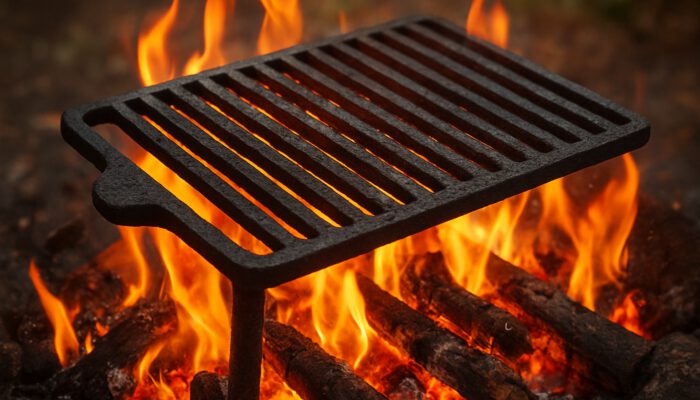
Choosing the appropriate grill is crucial for successful live fire cooking across the United States. Sturdy options such as cast iron and steel grills are favored, particularly those crafted for high-temperature woods like hickory. These materials endure extreme heat, guaranteeing durability and superior performance.
When selecting tools, consider these key benefits:
- Long-lasting durability for repeated use
- Resistance to high temperatures
- Superior heat retention for even cooking
- Adaptability for a range of cooking techniques
Assessing Fuel Options Commonly Found in the US
Utilizing local charcoal and wood enhances the authentic flavors in American live fire setups. Many backyard chefs prefer hardwoods like oak and hickory, readily available in the U.S. This choice significantly impacts flavor and aligns with regional barbecue customs.
Using locally sourced fuel connects cooks to their environment, enriching the live fire cooking experience. The right fuel can elevate dishes, making them tastier and more memorable for family gatherings and friends.
Equipment Care for Longevity Across Different Climates
Establishing cleaning routines based on U.S. weather conditions is vital for maintaining equipment. Regularly clearing ash and debris helps prevent rust, especially in humid regions. Conversely, in dry climates, protecting tools from dust and debris is essential.
Consistent maintenance prolongs the life of grills and smokers, ensuring their reliability for years. Regular inspections and seasonal upkeep keep equipment in prime condition, ready for any backyard event.
Investing in Accurate Thermometers for Perfect Cooking
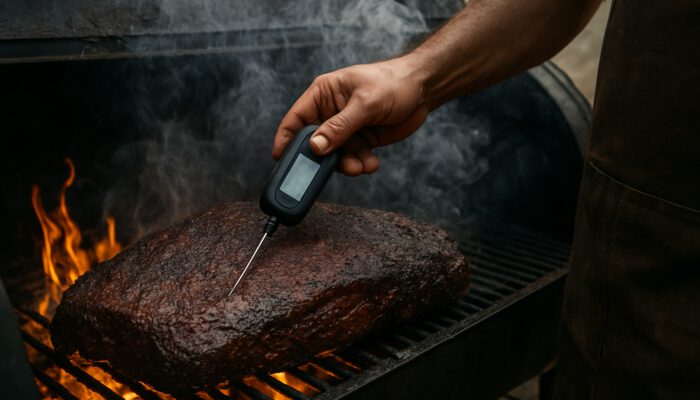
Acquiring high-quality digital thermometers is critical for achieving precise cooking temperatures for various meats in American barbecue traditions. These devices help prevent undercooking or overcooking, improving both safety and flavor. Choose waterproof models that can endure outdoor conditions typical in the U.S.
Pitmasters often depend on these thermometers to guarantee meats are cooked to the correct internal temperatures. This accuracy is especially crucial for larger cuts like brisket or pork shoulder, where temperature precision can define the success of the dish.
How Does Effective Heat Management Influence Cooking Results?
Effectively Monitoring Heat Zones
Creating distinct heat zones is essential for precise control during U.S.-style barbecues and roasts. By establishing separate zones—hot, medium, and cool—cooks can better manage cooking times and techniques. This method allows for searing, roasting, and even indirect cooking all on the same grill.
Careful monitoring of these zones aids in achieving the desired doneness without burning. Mastering the manipulation of these heat zones is a foundational skill for any backyard chef seeking perfection in their live fire cooking.
Optimizing Airflow for Stable Cooking Temperatures
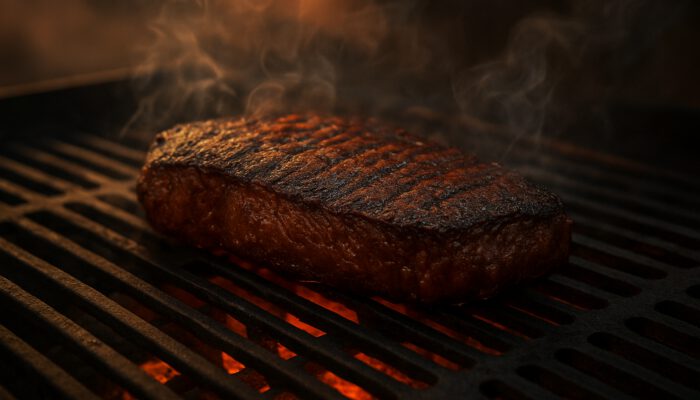
Proper ventilation is vital for maintaining consistent temperatures during the cooking process. By regulating airflow, cooks can adjust the intensity of the fire, ensuring even cooking of meats. This is particularly important for larger cuts that require longer cooking times.
Utilizing vents effectively improves smoke control, enhancing flavor while minimizing flare-ups. Mastering this technique is crucial for anyone dedicated to live fire cooking, especially in the varied climates of the United States.
What Tools Are Essential for Monitoring Internal Temperatures?
Popular thermometers among U.S. pitmasters include instant-read and probe thermometers, both vital for ensuring accuracy. These tools guarantee that meats are cooked safely and to perfection. Proper use can significantly elevate the quality of dishes served during backyard gatherings.
Investing in high-quality thermometers not only helps achieve the desired doneness but also boosts confidence in cooking techniques. This precision is essential for impressing guests and ensuring a successful cookout experience.
Identifying Appropriate Fuel Sources
Various fuels such as hardwood charcoal and smoking woods offer different heat intensities and burn durations. This variety affects both the searing and slow-cooking phases, which are vital for authentic American barbecue results. Selecting the right fuel can enhance the flavors and tenderness of meats.
For instance, using hickory for smoking imparts a robust flavor, while fruitwoods like apple provide a gentler taste. Understanding these distinctions enables cooks to tailor their approach based on the proteins they are preparing, ensuring optimal results.
Controlling Heat During Resting Periods
After cooking, managing residual heat is crucial for allowing juices to redistribute evenly within large cuts. This technique prevents dryness and enhances overall flavor and moisture retention. In the U.S., this is especially important for cuts like brisket and pork shoulder, which greatly benefit from resting.
Timing this resting phase is essential; typically, a period of 15-30 minutes is recommended. This practice not only improves texture but also contributes to a more satisfying dining experience for all.
Expert Insights on Mastering Advanced Techniques for Live Fire Cooking
Analyze Real-World Examples from U.S. Barbecue Competitions
In U.S. barbecue competitions, teams demonstrate advanced live fire techniques that enhance their dishes. Methods such as low-and-slow cooking and high-temperature grilling are commonly employed, each offering unique benefits. Competitors frequently utilize specific wood combinations to enrich flavors, helping them stand out in the competition.
For example, pairing cherry wood with pork creates a vibrant color and flavor profile that judges find appealing. Understanding these competitive styles can motivate backyard cooks to experiment and refine their techniques, striving for that award-winning taste at home.
Implement Actionable Steps for Mastering Fire Building
Layering wood techniques favored by U.S. experts involve stacking logs in a specific order to promote optimal airflow. Begin with kindling at the base, followed by larger logs. This arrangement ensures a steady burn and consistent heat, which are critical for successful live fire cooking.
Mastering this fire-building technique not only increases efficiency but also enhances flavor. By learning how to effectively build a fire, cooks can achieve superior results with their grilled and smoked dishes, elevating their outdoor cooking expertise.
Exploring Regional Wood Pairings
Pairing oak or mesquite with proteins is a common approach in U.S. cooking. Oak delivers a robust flavor that complements beef and pork, while mesquite provides a stronger, spicier profile ideal for grilling. Knowing these pairings allows cooks to significantly enhance their dishes.
Regional preferences also influence wood selections; for example, Texas pitmasters often favor mesquite for its boldness, while those in the Midwest might prefer hickory. Understanding these nuances helps backyard chefs create authentic flavors in line with local traditions.
What Preparation Steps Guarantee Consistent Cooking Results?
Trimming Meats According to U.S. Butchery Standards
Preparing brisket and ribs using techniques from American suppliers is vital for achieving optimal results. Trimming excess fat and ensuring even thickness promotes uniform cooking. This practice is particularly significant in competitive barbecue, where presentation and texture are paramount.
Employing proper butchery methods not only enhances the final product but also improves flavor absorption during cooking. Mastering the art of meat preparation according to U.S. butchery standards is an invaluable skill for any serious backyard cook.
Exploring Seasoning Blends Inspired by Regional Traditions
Seasoning methods vary widely across the U.S., with each state boasting its unique blends. Some popular options include:
- Texas-style brisket rubs featuring a mixture of salt and pepper
- Kansas City-style sweet barbecue sauces
- North Carolina’s vinegar-based marinades
- Alabama white sauce for chicken dishes
These blends not only enhance flavor but also reflect regional identities. Experimenting with various seasonings can lead to the discovery of personal favorites that resonate with local culinary traditions.
Implementing Resting Periods After High-Temperature Cooking
Timing the resting period after high-heat cooking is essential for maintaining juices in larger American cuts. Allowing meats to rest adequately ensures juices redistribute throughout the cut, enhancing flavor and moisture retention. This step is crucial for cuts like brisket and pork shoulder.
Generally, a resting period of 15 to 30 minutes is advised. This often-overlooked step can significantly enhance the overall quality of the meal, making it a fundamental aspect of the cooking process.
Proven Strategies for Advanced Techniques in Live Fire Cooking
Implement Actionable Steps for Multi-Zone Cooking Setups
Setting up grates for versatile live fire sessions involves creating multiple cooking zones. This configuration allows for both direct and indirect cooking methods, accommodating different proteins and cooking styles. For example, establish a hot zone for searing steaks and a cooler zone for slow-roasting chicken.
Mastering this multi-zone setup enables backyard cooks to effectively manage several dishes simultaneously. This strategy not only enhances efficiency but also ensures that everything is perfectly cooked, facilitating a seamless dining experience.
Refining Cooking Times for Larger Cuts
Slow-cooking techniques used at U.S. gatherings often emphasize the significance of timing. Large cuts benefit from prolonged cooking at lower temperatures, allowing for tenderization and flavor development. Understanding how to time these processes is critical for achieving the best results.
Typically, larger cuts like brisket or pork shoulder require several hours of cooking. A combination of temperature control and timing ensures that these meats are delicious and flavorful when served.
What Flipping Techniques Enhance the Sear on Steaks?
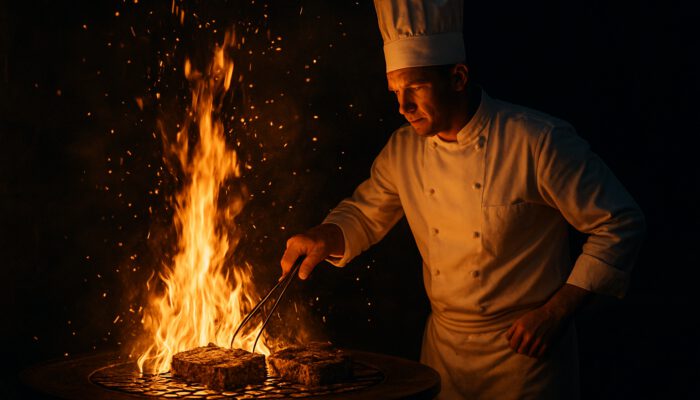
Using tongs to achieve perfect crusts on steaks involves strategic flipping to create an even sear. Rather than flipping frequently, allowing the steak to sear undisturbed for a few minutes before turning enhances the crust. This method is crucial for achieving that desirable Maillard reaction.
Employing tongs allows for gentle handling, preventing piercing that could release valuable juices. Mastering this technique can elevate grilled steaks, impressing guests with perfect crusts and tender interiors.
Which Wood Varieties Offer the Best Flavor Profiles?
Selecting Hickory for Bold American Flavors
Hickory is a favored choice in southern U.S. live fire cooking for its strong, distinctive flavor. This wood pairs exceptionally well with pork, beef, and poultry, imparting a rich smokiness that enhances the overall taste of grilled dishes.
Many pitmasters regard hickory as a staple for smoking meats, especially in barbecue competitions. Its robust profile makes it a preferred option for those pursuing bold flavors that resonate with traditional American barbecue culture.
Creating Layered Flavor Profiles with Wood Blends
Combining various woods yields layered flavor profiles that complement an array of proteins nationwide. For example, blending fruitwoods like apple with stronger woods like hickory can soften intensity while adding a touch of sweetness. This approach allows cooks to personalize flavors based on their preferences.
Understanding the interactions between different woods is essential for mastering live fire cooking. Experimenting with wood blends can result in discovering unique flavor combinations that elevate dishes and impress guests.
How Do Soaked Chips Influence Smoke Intensity?
Soaked wood chips can modify smoke intensity by managing the rate at which they burn. When soaked, chips smolder instead of igniting quickly, allowing for a gentler infusion of smoke flavor. This technique is particularly beneficial in backyard setups where balance is key.
Utilizing soaked chips enhances the cooking experience, providing a subtle smoke flavor that complements rather than overwhelms the dish. Mastering this technique can lead to more refined and enjoyable flavors in smoked meats.
Using Oak for Versatile Smoky Flavors
Oak remains a popular choice throughout the United States for its medium-bodied smoke. It beautifully enhances beef and brisket, delivering a balanced flavor that suits various cooking methods. Its versatility makes it suitable for everything from Texas pits to Carolina smokers.
Oak’s consistent flavor profile enables cooks to experiment with different meats while retaining a reliable taste. Knowing how to utilize oak effectively can elevate the quality of live fire cooking, making it a favorite among backyard chefs.
Developing Your Skills Through Practical Cooking Sessions
Experimenting with Various Protein Types
Chicken, pork, and beef align with U.S. preferences, each requiring distinct techniques for optimal outcomes. Experimenting with these proteins allows cooks to hone their skills and identify the best methods for each type. For instance, mastering brining can significantly enhance the juiciness of chicken.
Understanding the intricacies of cooking different proteins is crucial for any dedicated backyard chef. This practice not only improves culinary skills but also expands the repertoire of dishes that can be prepared for gatherings.
Highlighting Key Benefits of Session Logging
Tracking progress through session logging refines live fire techniques over time. Key benefits include:
- Identifying successful methods and recipes
- Recognizing areas for improvement
- Building confidence in cooking abilities
- Creating a personal cookbook of favorite dishes
These logs serve as invaluable resources for future cooking sessions, aiding cooks in replicating successes and learning from past experiences.
Adjusting Techniques for Larger Group Events
Modifying methods for larger American-style cookouts involves understanding how to scale recipes and cooking times. Planning for larger quantities requires careful timing and coordination to ensure everything is ready at once.
Employing multi-zone setups can help manage different cooking times and techniques, facilitating a seamless experience. Mastering these strategies ensures that gatherings are enjoyable for both cooks and guests, making every event memorable.
Frequently Asked Questions
What Types of Grills Are Best for Live Fire Cooking?
The top grills for live fire cooking include cast iron and steel options, as they endure high temperatures and provide excellent heat retention. These materials are robust and versatile, making them ideal for backyard cooking.
How Significant Is Fuel Selection in Live Fire Cooking?
Fuel selection holds great importance in live fire cooking since it influences flavor, heat intensity, and cooking duration. Opting for the right charcoal and wood can enhance the overall taste of dishes and align with regional cooking traditions.
What Maintenance Practices Prolong the Life of Grilling Equipment?
Regular cleaning, rust inspection, and protecting tools from environmental elements are vital maintenance practices. These routines help ensure that equipment remains reliable and performs optimally across various weather conditions.
How Can I Achieve Consistent Cooking Temperatures?
To maintain consistent cooking temperatures, effectively monitor heat zones and adjust airflow through vents. This allows for better heat control, ensuring even cooking and excellent results.
What Advantages Come with Using a Digital Thermometer?
Digital thermometers offer precise readings, ensuring that meats reach safe cooking temperatures. This accuracy prevents undercooking or overcooking, enhancing both flavor and safety during backyard cooking.
What Techniques Enhance the Sear on Steaks?
Allowing steaks to sear undisturbed for several minutes before flipping improves the crust. Using tongs for gentle handling prevents piercing, helping to retain juices and achieve a perfect sear.
Why Is Resting Important After Cooking?
Resting allows juices to redistribute evenly throughout the meat, preventing dryness and enhancing flavor. This step is crucial for larger cuts, ensuring a moist and enjoyable dining experience.
How Can I Experiment with Different Wood Flavors?
Experimenting with various wood flavors involves blending woods or trying new types. Understanding how each wood influences flavor can lead to discovering unique combinations that elevate dishes.
What Should I Document During Practice Sessions?
During practice sessions, document details such as cooking times, temperatures, seasoning blends, and results. This information aids in tracking progress and refining techniques over time, resulting in improved outcomes.
How Do I Scale Recipes for Larger Gatherings?
To scale recipes for larger gatherings, adjust ingredient quantities and cooking times accordingly. Utilizing multi-zone setups can help manage different cooking methods, ensuring everything is ready simultaneously.