

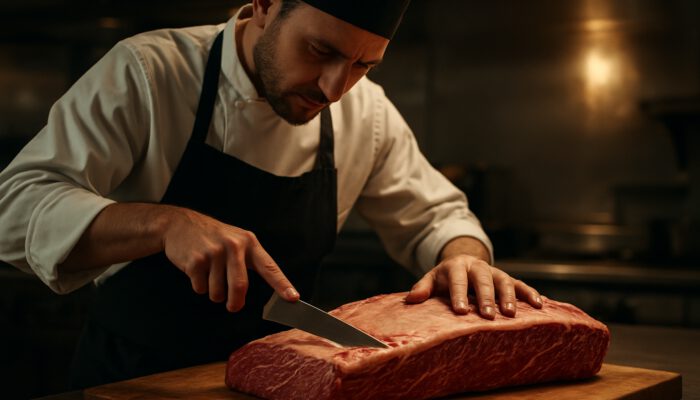
Essential Tools and Equipment for Mastering Brisket Trimming
Key Tools Needed for Effective Brisket Trimming
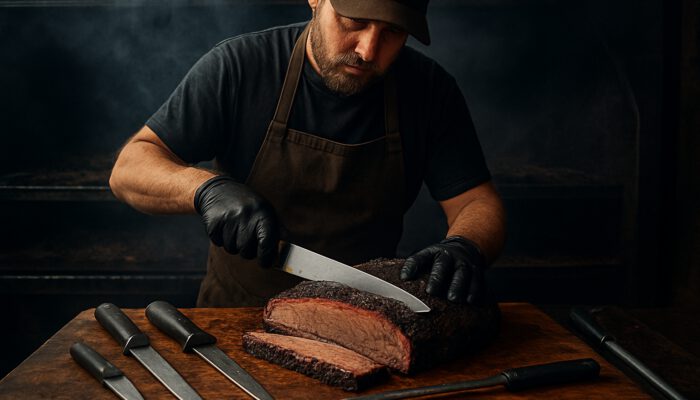
To achieve exceptional results in brisket trimming, equipping yourself with the right tools is absolutely vital. In the United States, high-quality knives and sharpeners are essential items in the toolkit of dedicated pitmasters. Renowned brands like Victorinox and Wüsthof, which are highly esteemed in the Texas barbecue community, provide precision-engineered knives designed to enhance both safety and efficiency. A sharp knife is not only instrumental in improving safety but also plays a crucial role in executing precise cuts, which are vital for facilitating effective smoke penetration into the meat. Furthermore, investing in a reliable honing rod ensures that your knife maintains its sharpness longer, offering dependable performance during multiple trimming sessions. Whether preparing brisket at home or competing in prestigious barbecue events, these essential tools will streamline your trimming process and elevate the quality of your brisket.
What Are the Best Types of Knives for Brisket Trimming?
When selecting the best knives for brisket trimming, many experts in competitive barbecue settings favor American-made options. Knives from reputable manufacturers like Shun and Case are praised for their remarkable durability and superior edge retention, both of which are essential when handling large cuts of brisket. Regional preferences also influence knife selection; for example, Kansas City pitmasters may prefer slightly different designs compared to their Texas counterparts. Here’s a concise bullet list of critical features to consider when choosing your knives:
- Blade Material: Opt for high-carbon stainless steel for enhanced durability.
- Blade Length: Choose knives that are at least 10 inches long for effectively managing larger cuts.
- Handle Design: Look for ergonomic grips that provide comfort during prolonged use.
- Flexibility: A blade with some flex can assist in effectively contouring the meat.
- Weight: Find a balanced weight that aligns with your personal handling preferences.
Choosing the right knives significantly impacts the quality of your brisket trimming, making this investment a worthy consideration for any serious barbecue enthusiast.
How to Properly Maintain Your Trimming Tools
Maintaining your trimming tools is equally important as selecting them. In American kitchens, especially during barbecue events, having a routine for keeping knives sharp is paramount for promoting efficiency and safety. Regular sharpening, whether using a whetstone or honing rod, helps maintain the blade’s edge, which is crucial for executing precision cuts. Additionally, cleaning your knives after each use helps prevent rust and buildup that can impede performance. Here are some best practices from experienced butchers across the country:
- Regularly hone your knife before each use to ensure optimal performance.
- Clean knives thoroughly with warm, soapy water and dry them immediately to prevent moisture buildup.
- Store knives in a designated space to safeguard their sharpness and prevent dulling.
- Inspect edges routinely for any nicks or chips that may affect cutting efficiency.
By following these maintenance suggestions, you’ll keep your tools in prime condition, ready to tackle any brisket with ease and confidence.
Expert Insights into Advanced Brisket Trimming Techniques
What Are the Best Advanced Cutting Methods for Brisket?
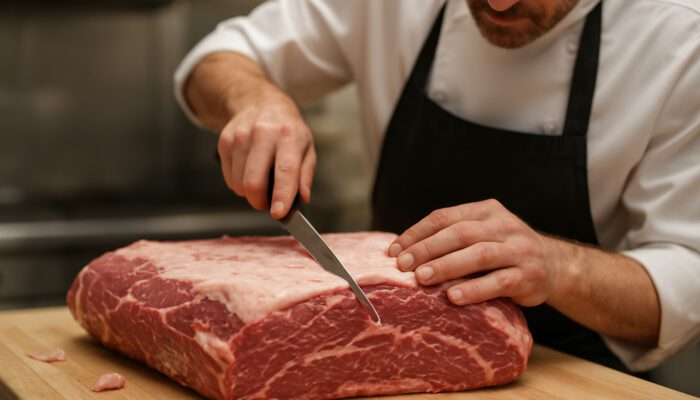
Advanced cutting methods are essential for achieving optimal results in brisket trimming. Experts throughout the U.S., particularly those with roots in Memphis-style barbecue, advocate for specific techniques that enhance smoke penetration and flavor development. One effective strategy is to begin with a sharp knife and carefully trim away excess fat while retaining enough to protect the meat during cooking. Adjusting the blade angle to approximately 30 degrees can facilitate precision cuts that promote even cooking throughout.
Additionally, utilizing a flexible boning knife allows for greater maneuverability around the brisket’s contours. This type of knife is particularly useful for trimming the point and flat sections of the brisket, which can significantly improve smoke absorption. As you grow more familiar with these advanced techniques, you will discover that your brisket can develop richer flavor profiles, resulting in tender and juicy slices after cooking. Observing seasoned pitmasters during competitions can also provide valuable insights into additional cutting nuances and styles.
How to Identify Fat Layers for Optimal Flavor and Texture?
Recognizing the fat layers within brisket is crucial for achieving optimal flavor and texture. Professionals in the U.S. frequently emphasize the importance of identifying these layers, particularly during competitions and everyday cooking. Briskets typically possess several layers, including the outer fat cap, which can be trimmed to enhance smoke absorption while leaving enough fat intact to maintain moisture in the meat. Experts often utilize visual inspection combined with tactile assessment; the fat should feel distinct from the meat, often being softer and more pliable.
Real-world examples from southern competitions frequently underscore the significance of this identification process. For instance, a well-trimmed brisket that expertly balances the fat can lead to a more flavorful bite. Understanding how to accurately identify these layers can lead to richer flavor experiences, especially when paired with seasoning blends that penetrate the exposed meat. Techniques like gently “peeling” back the fat cap can allow for more robust seasoning and create a delicious crust during cooking.
What Is the Ideal Balance of Fat and Meat Ratios?
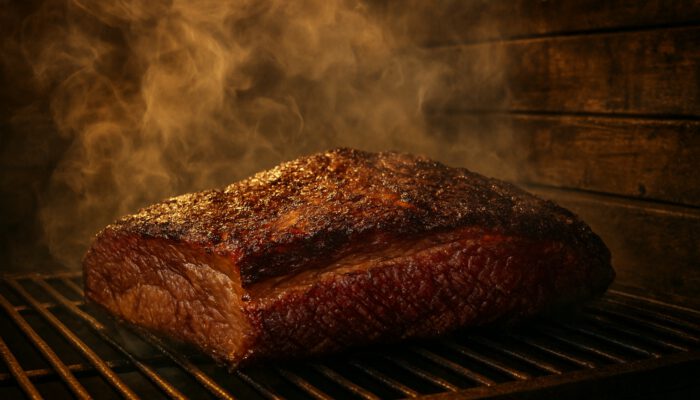
Achieving the perfect balance of fat and meat is essential for a successful brisket, particularly in U.S. smokehouses known for their unique flavors. Experts recommend a fat-to-meat ratio of approximately 1:2 or 1:3 for an optimal blend of tenderness and flavor. This ideal ratio may vary by region and personal preference, as some areas favor more fat for added moisture and flavor, while others may prefer leaner cuts.
When working with different cuts of American brisket, it’s crucial to adjust your trimming technique accordingly. For example, the flat cut typically contains less fat than the point cut, which means careful trimming is vital to prevent the flat from drying out while ensuring that the point retains its flavor. In practice, you might aim to leave about a quarter-inch of fat on the flat while trimming the point to a thinner layer, allowing for even cooking and flavor infusion during the smoking process. Tailoring your trimming techniques to accommodate these variations can greatly enhance the overall quality of your barbecue.
How Does Advanced Brisket Trimming Work?
What Are the Basic Steps in the Brisket Trimming Process?
The brisket trimming process involves several fundamental steps that are standard in U.S. barbecues. First, remove the brisket from its packaging and inspect it for any excess fat or silver skin. This initial assessment lays the groundwork for effective trimming and cooking outcomes. Next, utilize a sharp knife to carefully trim away the hard fat, often referred to as the fat cap, ensuring that only a thin layer remains to protect the meat during the cooking process.
After this initial trimming, reshape the brisket for optimal cooking results. This involves removing any tough pieces of fat located between the point and the flat, which can lead to uneven cooking. The final shaping may also include rounding off the edges of the brisket to promote more even cooking. Each of these steps is crucial not only for enhancing presentation but also for ensuring that the meat cooks evenly, absorbs smoke flavor, and develops a tender texture.
Why Does Timing Matter in Trimming Brisket?
Timing plays a critical role in brisket trimming and can significantly influence the final product. Experienced pitmasters in the U.S. often recommend a well-timed approach to trimming, especially before cooking. If trimming occurs too close to the cooking time, the brisket may not have sufficient time to rest and allow the flavors to meld. Conversely, trimming too early might result in issues with drying out or unwanted exposure to contaminants.
Common practices in American pit cooking typically involve trimming the brisket a few hours prior to cooking, enabling it to rest and fully absorb any seasoning. Additionally, considering the temperature during trimming is vital; warmer conditions can affect fat rendering and the overall integrity of your cuts. Therefore, both timing and temperature are pivotal in ensuring that the brisket remains flavorful and tender.
How to Handle Different Brisket Sizes Effectively?
Adapting trimming techniques to accommodate various brisket sizes available in U.S. markets is essential for achieving consistency and quality. Briskets can vary significantly in weight, with some cuts weighing as little as 8 pounds while others can exceed 20 pounds. When working with larger cuts, it is crucial to modify your approach to ensure that each portion of the brisket receives equal attention during trimming.
One effective strategy is to segment the brisket into manageable sections, allowing for more precise trimming. For example, separating the flat and point cuts, which often have different fat distributions and cooking requirements, can aid in this process. Understanding how varying brisket sizes impact cooking times is also crucial; larger cuts may require additional time on the smoker, necessitating a careful trimming approach to avoid uneven doneness. By considering these factors, you can ensure consistent results in American barbecue settings.
What Are the Key Techniques in Advanced Brisket Trimming?
How to Implement Precision Cutting Strategies?
Precision cutting is a defining characteristic of exceptional brisket trimming techniques utilized by enthusiasts across the United States. The objective is to create even edges that promote uniform cooking and an appealing presentation. To achieve this, focus on executing straight cuts that align with the natural seams of the meat. A sharp knife will facilitate these precise cuts, allowing you to navigate through the brisket’s varying textures with ease.
Popular tools among American competition barbecuers include flexible fillet knives, which enable nuanced adjustments while trimming. These strategies prove particularly effective when addressing challenging areas of the brisket, such as the points where fat and meat intersect. By maintaining a steady hand and applying consistent pressure, you can achieve the clean, precise cuts necessary for superior brisket preparation. This meticulous attention to detail not only improves cooking efficiency but also enhances the final presentation of your brisket.
What Role Does Temperature Play in Trimming Brisket?
Ambient temperature profoundly affects the brisket trimming process, especially in warmer regions where cooking conditions can fluctuate significantly. In states like Texas or Florida, outdoor temperatures can influence the way fat renders during preparation. Understanding these temperature dynamics is essential for preserving the meat’s integrity. For instance, trimming in higher temperatures can cause the fat to become more pliable, making it challenging to achieve clean cuts.
It is crucial to adapt your trimming techniques according to the climate. In warmer environments, consider chilling the brisket briefly before trimming to allow the fat to firm up, making it easier to work with. Additionally, being aware of how temperature influences the cooking process will empower you to make better decisions during the trimming phase, ultimately leading to superior final results. Taking ambient temperature into account can help maintain meat quality and enhance your overall barbecue experience.
How to Remove Silver Skin Effectively?
Removing silver skin is a vital step in brisket trimming that should not be overlooked, as leaving it intact can lead to a tough final product. In American kitchens, seasoned cooks have perfected techniques for seamless silver skin removal, ensuring that the brisket remains tender and flavorful. Begin by utilizing a sharp, flexible knife to gently lift the edge of the silver skin, creating space for your knife to slide underneath it.
Once you have a firm grip on the silver skin, apply a steady pull while guiding your knife along the surface to separate it from the meat. This technique minimizes damage to the brisket while effectively removing the tough connective tissue. Tips from American grilling experts emphasize the importance of working slowly and meticulously to avoid mishaps. Maintaining the knife at a slight angle can help achieve a clean cut without compromising the integrity of the meat underneath. Mastering this technique will significantly enhance the overall quality of your brisket.
What Are the Benefits of Advanced Brisket Trimming Techniques?
How Can Advanced Techniques Enhance Flavor Development?
Employing precise trimming techniques can dramatically enhance flavor development in U.S.-style barbecues. By carefully trimming the brisket, pitmasters can create a surface that facilitates better seasoning absorption, allowing flavors to penetrate deeper into the meat. This approach is particularly crucial when using dry rubs or marinades, as they adhere more effectively to a well-trimmed brisket, resulting in a richer taste experience.
For example, iconic American recipes such as Texas brisket often rely on robust spice mixtures that benefit from multiple layers of flavor. By removing excess fat and silver skin, the seasoning can form a flavorful crust during cooking, leading to a more complex flavor profile. The combination of savory spices with the natural flavors of the meat produces an irresistible final product that showcases the finest aspects of American barbecue traditions.
How Do Advanced Techniques Improve Cooking Efficiency?
One of the standout benefits of advanced brisket trimming techniques is the improvement of cooking efficiency. In U.S. home setups, a well-trimmed brisket typically cooks faster and more uniformly, which can be a game-changer when grilling for a crowd or in competitive settings. By strategically removing excess fat and ensuring uniform thickness across the meat, cooking time can be significantly reduced, allowing for quicker turnarounds.
Moreover, a trimmed brisket leads to reduced energy consumption during cooking. With less fat to render, the process becomes more streamlined, resulting in an overall decrease in fuel usage. This efficiency not only saves time but also enhances the experience for both the cook and the guests, making advanced trimming techniques a valuable skill for any barbecue enthusiast.
What Techniques Lead to Tender Results?
Advanced brisket trimming approaches yield juicier and more tender results, a goal shared by pitmasters nationwide. Tips derived from regional contests suggest that an ideal trim can unlock the brisket’s potential for tenderness. Factors contributing to tenderness include:
- Fat Distribution: Balanced fat levels help retain moisture.
- Even Thickness: Uniform cuts ensure consistent cooking.
- Layering Techniques: Proper management of the fat cap supports tenderness.
- Cooking Method: Incorporating slow cooking techniques enhances final results.
By focusing on these factors during trimming, you can create a brisket that not only looks appealing but also melts in your mouth. This meticulous attention to detail distinguishes a novice brisket from one worthy of competition accolades.
How to Optimize Smoke Flavor through Trimming?
Advanced smoking techniques in American barbecues play a crucial role in refining flavor depth, and proper trimming is essential to optimizing this process. Different wood types, such as hickory and mesquite, provide unique flavor profiles that are best appreciated with a well-trimmed brisket. For instance, in Kansas City, pitmasters often favor hickory for its sweet, nutty flavor, which pairs beautifully with a well-seasoned brisket.
Furthermore, achieving even heat distribution is vital for optimizing smoke flavor. A balanced fat-to-meat ratio allows for uniform fat rendering, which enhances flavor and ensures that the smoke envelops the meat evenly. By implementing advanced trimming techniques, pitmasters can create a brisket that showcases impressive smoke flavor, leading to competition-level results that leave a lasting impression on diners.
What Common Mistakes Should Be Avoided in Brisket Trimming?
How to Avoid Over-Trimming the Fat?
One of the most prevalent mistakes in brisket trimming is over-trimming the fat, which can result in dry, flavorless meat. In U.S. barbecues, maintaining an appropriate fat layer is essential for preserving moisture during cooking. Excessive fat removal can strip the brisket of vital moisture and flavor, leading to an unsatisfactory final product. Pitmasters often recount experiences where briskets were excessively lean, resulting in tough and chewy bites.
To avoid this misstep, a good rule of thumb is to leave at least a quarter-inch of fat on the flat while ensuring that the point cut retains some of its natural marbling. This balance guarantees that the brisket remains juicy and flavorful after cooking, enhancing the overall barbecue experience for everyone involved.
What Are the Risks of Using Dull Knives?
Using dull knives during brisket trimming can lead to various issues, such as uneven cuts and an increased risk of accidents. In American kitchens, cooks often underestimate the importance of knife sharpness, which can result in ragged edges that compromise both the presentation and cooking quality. Dull knives require more force to cut through the meat, leading to potential slips and injuries.
To prevent these pitfalls, it’s crucial to regularly sharpen your knives using a whetstone or honing rod. Establishing a routine for knife maintenance will enhance both safety and cutting efficiency. Additionally, adopting proper knife techniques, such as maintaining a steady grip and controlling cutting angles, can lead to better overall results in your brisket trimming efforts.
How to Avoid Ignoring Meat Grain Direction?
Disregarding the meat grain direction can result in significant errors in brisket handling, often leading to tough, chewy slices. Understanding how to cut against the grain is essential, as this technique practiced by pitmasters throughout the U.S. breaks up muscle fibers, ensuring each bite is tender and easy to chew. Many common oversights occur from not observing the grain direction before slicing.
To rectify this mistake, take a moment to examine the brisket closely before trimming. Identify the grain’s direction and plan your cuts accordingly. For optimal results, aim to slice across the grain at a slight angle to achieve maximum tenderness. This simple yet effective technique can greatly elevate your brisket presentation and dining experience.
What Trusted Strategies Exist for Advanced Brisket Trimming Techniques?
What Is the Step-by-Step Trimming Guide?
To master advanced brisket trimming, following a detailed step-by-step guide can be incredibly advantageous. U.S. barbecue professionals often recommend starting with a cold brisket to simplify the trimming process. Here’s a practical outline of the trimming procedure:
- Inspect the brisket for imperfections and excess fat.
- Trim the fat cap to achieve a thickness of around a quarter-inch.
- Remove silver skin and any hard connective tissue.
- Shape the brisket to ensure even cooking, rounding the edges as necessary.
This methodical approach not only enhances the overall appearance of the brisket but also promotes superior smoke penetration during the cooking process. Observing real-world examples from American barbecue circuits can provide additional insights into refining your technique.
How to Customize Trimming for Regional Styles?
Adapting your trimming strategies to accommodate regional variations is vital for capturing the unique flavors of American barbecue. For example, Texas-style brisket trimming often emphasizes retaining more fat to enhance moisture, while Carolina styles may favor leaner cuts with bolder seasonings. Understanding these regional preferences is key to tailoring your approach effectively.
Actionable steps from experts suggest experimenting with different trimming techniques based on local tastes. For instance, if preparing a brisket for a Kansas City-style barbecue, consider leaving a bit more fat to ensure a juicier final product. This customization will not only enhance your brisket’s flavor profile but also resonate with local barbecue enthusiasts, making your dishes more appealing.
What Are the Best Post-Trimming Storage Tips?
Proper storage techniques following trimming are essential for maintaining the freshness of your brisket. In U.S. environments, ensuring that trimmed brisket is securely stored can prevent spoilage and contamination. After trimming, wrap the brisket tightly in plastic wrap or butcher paper to minimize exposure to air, which can lead to drying out.
Additionally, refrigeration is crucial; the brisket should be kept at a consistent temperature below 40°F. If you plan to cook the brisket within a few days, refrigeration is sufficient. For longer storage, consider freezing; however, utilize vacuum sealing to preserve quality. These storage practices will help ensure that your brisket remains fresh and ready for your next barbecue endeavor.
How to Handle Common Trimming Mistakes Efficiently?
As you become more adept at advanced brisket trimming, recognizing and addressing common pitfalls identified by American experts is important. These mistakes can significantly affect the final quality of your brisket. Practical solutions include avoiding over-trimming fat to prevent dryness, ensuring the use of sharp knives to avoid uneven cuts, and always remembering to cut against the grain to guarantee tenderness in your final slices.
Learning from the experiences of seasoned professionals in barbecue competitions can provide invaluable insights into best practices. Incorporating their feedback into your trimming routine can help you prevent flavor loss and achieve optimal results consistently. Adopting these tried-and-true strategies will elevate your brisket preparation to new heights.
Why Is Precision Essential in Brisket Trimming?
What Is the Impact of Precision on Smoke Absorption?
Precision in trimming significantly influences smoke absorption during cooking, which is critical for achieving that quintessential barbecue flavor. In U.S. barbecues, particularly at national events, pitmasters recognize that exact cuts can greatly enhance the overall flavor profile. When the brisket is trimmed with precision, the exposed meat is better equipped to absorb smoke, leading to a deeper, more complex taste.
Moreover, precise trimming facilitates even cooking, as the uniformity of the meat surface aids in consistent heat transfer. When smoke can effectively penetrate the meat, it enhances the overall dining experience, making it essential for competition-level preparation. Precision cutting ensures that each bite is infused with the rich flavors that define exceptional barbecue.
How to Ensure Even Cooking with Precision Trimming?
Ensuring even cooking is a fundamental aspect of brisket preparation, and precision trimming plays a crucial role in achieving this goal. In American grills, uneven cuts can lead to disparities in doneness, leaving some parts overcooked while others remain undercooked. The significance of maintaining a consistent thickness during trimming cannot be overstated, as this uniformity allows heat to circulate effectively.
Expert techniques involve measuring the brisket’s thickness as you trim, ensuring that no area is thicker than others. This approach not only guarantees even cooking but also results in a more consistent texture and flavor throughout the brisket. By prioritizing precise cuts, you will elevate the overall quality of your barbecue, resulting in a more enjoyable dining experience for all.
How Does Neat Trimming Affect Presentation Quality?
Neat trimming enhances the presentation quality of the brisket, an essential component in both casual and competitive settings. In U.S. barbecue competitions, judges closely observe the appearance of the dish, noting the cleanliness of the cuts and overall presentation. A well-trimmed brisket not only appears more appealing but also reflects the care and attention dedicated to its preparation.
To achieve this level of presentation, concentrate on creating clean, straight edges and maintaining a uniform shape. Avoid ragged edges and overexposed meat that can detract from visual appeal. Remember, first impressions often stem from appearance, and a beautifully presented brisket can significantly impact your barbecue’s reception.
Final Tips for Achieving Perfect Brisket
What Role Does Practice and Repetition Play?
Building expertise in brisket trimming comes down to practice and repetition. In U.S. settings, experienced grillers often emphasize the importance of hands-on experience for refining techniques. Regularly practicing your trimming skills will not only enhance your speed but also improve your precision, leading to superior barbecue outcomes.
Consider dedicating time to practice trimming various cuts of brisket, experimenting with different techniques until you discover the method that suits you best. Over time, the confidence gained from practice will translate into more consistent results, empowering you to tackle any brisket with ease and proficiency.
How to Select Quality Brisket for Best Results?
Selecting prime cuts from U.S. sources is crucial for achieving superior results. When choosing a brisket, prioritize marbling, as this intramuscular fat plays a significant role in flavor and tenderness. Prime cuts typically exhibit a good amount of marbling, which directly impacts the quality of the finished product.
Visit local meat markets or butcher shops known for their high-quality meats to identify the best options. Familiarizing yourself with grading standards, such as USDA Prime or Choice, can also aid in making more informed selections. A well-selected brisket serves as the foundation of a successful barbecue, so take the time to choose wisely.
What Final Checks Should Be Made Before Cooking?
Before placing your brisket on the grill or smoker, conducting a final inspection is essential to ensure everything is in order. In U.S. kitchens, experienced cooks often suggest checking for any remaining pieces of silver skin or hard fat that may have been overlooked during trimming. Additionally, verify that the brisket is properly wrapped and stored to maintain freshness.
A quick verification of the cutting surface will help you confirm that no errors occurred during trimming. This attention to detail will set you up for success when it’s time to cook. Engaging in these last-minute inspections guarantees that your brisket is primed for the best possible cooking experience.
Frequently Asked Questions (FAQs)
What is the ideal fat-to-meat ratio for brisket?
The ideal fat-to-meat ratio for brisket generally ranges from 1:2 to 1:3, depending on personal and regional preferences, ensuring moist and flavorful cuts after cooking.
How do I know if my knife is sharp enough?
A sharp knife will easily slice through paper or meat without tearing. Regular honing and maintenance will keep your knife in optimal condition for trimming.
Can I trim brisket in advance?
Yes, trimming your brisket in advance is advisable. Just ensure it’s stored properly to prevent drying out or contamination until you are ready to cook.
What are some common mistakes when trimming brisket?
Common mistakes include over-trimming fat, ignoring the grain direction, and using dull knives, which can lead to uneven cooking and tough results.
Should I remove the fat cap completely?
No, it’s essential to leave a thin layer of fat, generally around a quarter-inch, to help preserve moisture and flavor during the cooking process.
How can I improve smoke absorption?
To enhance smoke absorption, ensure your brisket is trimmed correctly to expose more meat surface area while leaving sufficient fat for moisture retention during cooking.
Is it necessary to remove silver skin?
Yes, removing silver skin is crucial as it can be tough and chewy. Proper removal ensures a more tender final product.
How does temperature affect trimming?
Warmer temperatures can make fat more pliable, making it harder to achieve clean cuts. It’s often best to trim brisket when it’s cold for better precision.
What tools are essential for trimming brisket?
Essential tools include a sharp boning knife, a flexible fillet knife, a honing rod, and a cutting board designed for meat preparation.
Can I use the trimmings for anything?
Absolutely! Trimmed fat can be rendered for use in cooking or added back to ground meats to enhance flavor, while trimmed meat can be utilized in stews or chili.