
Choosing Fresh Produce from US Markets for Smoking
Root Vegetables Grown in the USA
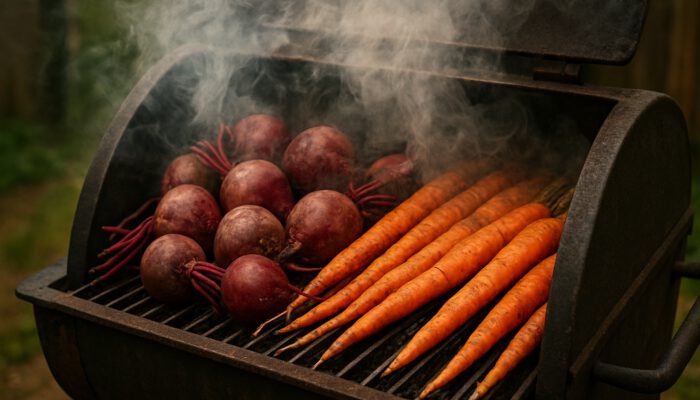
Sourcing beets and carrots from Midwest farms guarantees a firm texture, perfect for absorbing smoke. The rich, fertile soil of the Midwest cultivates root vegetables that withstand low heat, resulting in robust earthy flavors after hours of smoking. This technique is especially favored in American backyard setups, where the interplay of smoke and natural sweetness elevates the overall flavor profile.
When selecting root vegetables, prioritize vibrant colors and firm skins. Varieties like heirloom carrots and red beets not only add visual appeal but also deliver a depth of flavor that intensifies during smoking. These vegetables flourish in the American climate, making them easily accessible at local markets.
Recognizing Peak Seasonal Selections
In California, specific vegetable varieties shine during their peak seasons, making them ideal for smoking. For example, sweet corn and bell peppers reach their prime in late summer, showcasing intensified sweetness and vibrant colors that hold up beautifully during smoking. Opting for these seasonal picks guarantees maximum flavor retention throughout the smoking process.
Farmers’ markets and local produce stands often feature these seasonal offerings, providing the chance to select the freshest ingredients. Engaging with local farmers can offer valuable insights into which varieties are best for smoking, allowing you to customize your selections to achieve the bold flavors you seek.
Proper Preparation of Market Finds
Washing and trimming produce purchased from local US stands is essential for eliminating excess moisture that could dilute bold flavors during the smoking process. Proper preparation not only enhances flavor but also improves the overall texture of the final product. Removing any dirt and blemishes ensures that smoke can penetrate the vegetables evenly.
After washing, it’s important to trim away any undesirable parts, such as tough skins or ends. This step is especially critical for vegetables like zucchini and eggplant, which can retain excess moisture. By investing time in proper preparation, you set the groundwork for a successful smoking experience that maximizes both flavor and texture.
Expert Techniques for Smoking Vegetables to Enhance Bold Flavors
Setting Up Your Smoker for Optimal Performance
Arranging charcoal and wood chips for steady temperature control is vital for successful smoking. For typical US patio equipment, such as offset smokers or kettle grills, a two-zone setup is most effective. This involves creating a hot side for direct heat and a cooler side for indirect smoking, allowing for better temperature management.
Using a blend of charcoal and wood chips, such as hickory or mesquite, can significantly enhance the flavor profile of your vegetables. It’s crucial to closely monitor the smoker’s temperature, aiming for a consistent range of 225 to 250 degrees Fahrenheit. This temperature range allows the smoke to permeate the vegetables without cooking them too rapidly.
Achieving the Right Smoke Density
Adjusting vent openings is key to obtaining optimal flavor infusion without bitterness in home US settings. Open vents increase oxygen flow, raising both heat and smoke density, while closing them can decrease both. Finding the right balance ensures that the smoke flavor is pronounced but not overpowering.
Start with slightly open vents and adjust as needed throughout the smoking process. Rotating the vegetables occasionally can also ensure even exposure to the smoke, preventing any one section from becoming overly smoky, which can lead to bitterness, especially in delicate vegetables.
Timing the Initial Burn for Best Results
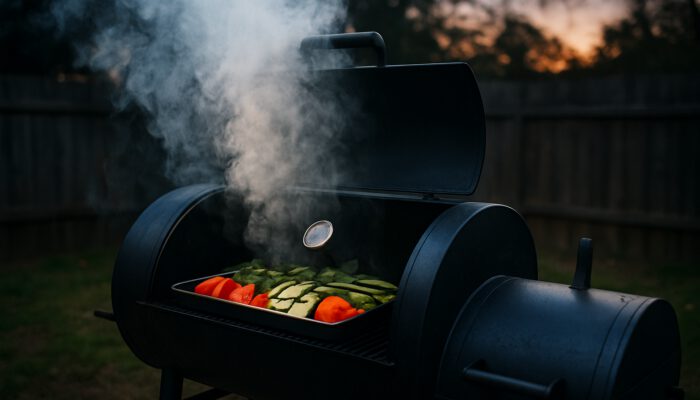
Preheating durations suited to common American smoker models are crucial for even heat distribution. Most smokers need about 30 minutes to reach the desired cooking temperature. During this time, the wood chips should begin to smolder, creating a steady stream of smoke.
Using a reliable thermometer can help guarantee the smoker maintains the right temperature before adding vegetables. Once the smoker is ready, promptly add the vegetables to maximize the infusion of smoke flavor during the cooking process.
Choosing the Right Wood Types for Vegetable Pairing
Using hickory with root vegetables like carrots imparts robust flavors, making it an excellent choice for smoking. Hickory’s strong flavor profile complements the natural sweetness of root vegetables, enhancing their earthy notes. Conversely, for more delicate items such as zucchini, milder woods like apple or cherry are preferable to avoid overpowering their subtle flavors.
Soaking wood chips before use can also extend the smoking duration, providing a sustained release of flavor. In standard American grills and smokers, this technique helps achieve a balanced smoke profile, allowing for a more nuanced flavor experience across all types of vegetables.
How Does Wood Selection Influence Flavor?
Combining Hickory with Hearty Greens
Pairing hickory chips with hearty greens like cabbage or kale adds a savory depth, enhancing their natural bitterness into rich profiles. The robust flavor of hickory complements the earthy notes found in these vegetables, making them a favored choice for smoking across various regions in the United States.
When smoking these greens, closely monitor cooking times. Over-smoking can introduce bitterness, overshadowing the natural flavors of the vegetables. Balancing time and wood choice ensures that the final dish maintains its integrity while gaining a smoky richness.
Utilizing Fruitwood for Added Sweetness
Selecting apple or cherry woods can provide mild fruity undertones, ideal for smoking peppers and onions, staples in US grilling traditions. These woods enhance the natural sweetness of these vegetables, making them perfect for a variety of dishes, from salsas to roasted vegetable medleys.
When using fruitwoods, consider the cooking time to achieve optimal flavor. A shorter smoking period may be advantageous, allowing the inherent sweetness of the vegetables to shine through while still receiving a subtle smokiness. This approach results in a well-balanced dish that highlights the best qualities of the produce.
Avoiding Overpowering Flavor Combinations
Some combinations of regional US woods can overwhelm delicate vegetable flavors if not used judiciously during long cooking times. For example, mixing strong woods like mesquite with lighter options can lead to an unbalanced flavor profile. It’s vital to understand the characteristics of each wood type and how they interact with the vegetables being smoked.
To prevent overpowering blends, stick to one wood type or use milder woods in moderation when smoking delicate items. This strategy allows for a more controlled flavor infusion, ensuring that the natural characteristics of the vegetables remain prominent in the final dish.
Research-Backed Benefits of Smoking Vegetables for Enhanced Flavors
Preserving Nutrients During the Smoking Process
Research indicates that smoking retains essential vitamins in US-sourced vegetables more effectively than boiling, while amplifying taste through controlled charring techniques. Smoking allows vegetables to preserve more nutrients, providing a healthier option while enhancing their natural flavors. This method proves especially effective for vegetables like bell peppers and broccoli, which can lose significant nutrients through boiling.
By choosing smoking over traditional cooking methods, you can enjoy not just the bold flavors but also the nutritional advantages that accompany this preparation technique. This approach aligns well with health-conscious dining trends, making smoked vegetables a popular choice among home cooks and professional chefs alike.
Benefits of Enhanced Flavor and Texture
Here are some key benefits for texture improvements observed in smoked American produce batches:
- Enhanced mouthfeel due to caramelization
- Improved overall taste through smoke infusion
- Increased complexity in flavor profiles
- Better preservation of color and texture
These enhancements contribute to a more satisfying culinary experience, making smoked vegetables a desirable addition to various dishes. The unique flavors achieved through smoking can elevate simple meals into gourmet experiences, appealing to a wide range of palates.
Health Benefits of Smoking Vegetables
Moderate smoking times can support lower oil usage in recipes featuring vegetables from United States agricultural sources. By smoking instead of frying or sautéing, you can achieve rich flavors without the added calories and fats associated with oil. This method aligns with healthier cooking practices that emphasize fresh, whole ingredients.
Incorporating smoked vegetables into your diet not only boosts flavor but also contributes to a more balanced nutritional profile. As more individuals seek to reduce their oil consumption, smoking presents an appealing alternative that maintains taste without compromising health.
Antioxidant Retention and Health Benefits
Extensive studies conducted on American vegetable varieties demonstrate that smoking processes can elevate beneficial compound concentrations. This results in more pronounced bold flavors and improved overall nutritional profiles compared to other commonly used preparation methods. Vegetables such as tomatoes and peppers, when smoked, can exhibit higher levels of antioxidants, essential for maintaining good health.
These findings underscore the value of smoking as a cooking method that not only enhances flavor but also amplifies the health benefits of vegetables. As consumers become increasingly health-conscious, incorporating smoked vegetables into their diets provides an excellent opportunity to enjoy delicious meals while reaping nutritional rewards.
Findings from Sensory Evaluations
Blind taste tests involving participants from diverse regions reveal a preference for smoked US vegetables due to their enhanced flavor depth. Data supports health benefits from reduced additives needed in recipes that include smoked produce, making them a more appealing option for health-conscious consumers. The rich, smoky flavor profile often surpasses that of traditional cooking methods.
These sensory evaluations highlight the growing popularity of smoked vegetables in culinary circles. As more individuals discover the unique flavors and health benefits associated with smoking, this cooking technique is likely to continue gaining momentum in American kitchens.
What Temperature Settings Are Most Effective for Smoking Vegetables?
Understanding Low and Slow Smoking Techniques
Maintaining a temperature of 225 degrees Fahrenheit allows for gradual flavor penetration in typical US smokers. This low and slow method is ideal for smoking vegetables, as it prevents drying out sensitive skins while enabling deep smoke infusion. The extended cooking time results in a more complex flavor profile.
Using a reliable thermometer is critical for ensuring that the smoker maintains the correct temperature throughout the process. This technique not only enhances flavor but also allows for even cooking, resulting in perfectly smoked vegetables that retain their moisture and texture.
Using Internal Probes for Accurate Temperature Checks
Inserting thermometers into items like corn or squash purchased at local markets ensures even cooking. Accurate temperature readings help determine when the vegetables are perfectly smoked and ready to serve. This method is particularly important for thicker-skinned vegetables that may require longer cooking times.
Regularly checking the internal temperature helps prevent overcooking, which can lead to a mushy texture. By monitoring the temperature closely, you can strike the ideal balance of tenderness and smokiness, resulting in a delicious final product that showcases the best qualities of the vegetables.
Adjusting Cooking Times for Larger Batches
When prepping larger quantities of produce for United States family gatherings, it’s essential to adjust cooking times and temperatures accordingly. Larger batches may require longer smoking durations to ensure that each piece is evenly cooked and infused with flavor. spacing vegetables on the grill allows for proper airflow.
Consider staggering the addition of vegetables based on their size and cooking times. This approach ensures that all items reach their optimal flavor and texture without compromising quality. By being mindful of batch sizes, you can create a delicious spread that caters to a crowd.
Serving Suggestions for Smoked Vegetable Dishes
Complementing Smoked Vegetables with Proteins
Serving smoked vegetables alongside grilled meats creates balanced plates that are staples in American outdoor meals. The smoky flavors of the vegetables enhance the rich, savory profiles of meats like chicken, beef, or pork. This pairing enriches the overall dining experience, making it a favored choice for barbecues and family gatherings.
Consider offering smoked vegetables as a side dish or incorporating them into salads and grain bowls. The versatility of smoked produce allows for endless combinations, ensuring that each meal is both satisfying and flavorful. This strategy not only highlights the vegetables but also elevates the entire dish.
Innovative Side Dish Recipes with Smoked Vegetables
Incorporating smoked vegetables into salads or bowls adds bold accents suitable for everyday dining in the US. For instance, a smoked corn and black bean salad serves as a refreshing side dish that pairs well with a variety of entrees. The smoky flavor enhances the freshness of the ingredients, creating a dish that is both vibrant and satisfying.
Experimenting with different combinations of smoked vegetables can lead to exciting new recipes. Using seasonal produce ensures that each dish remains fresh and relevant, appealing to those eager to explore the bold flavors that smoking can offer.
Proper Storage Techniques for Smoked Vegetables
Cooling methods that maintain quality in home refrigerators are vital for preserving the flavor and texture of smoked vegetables. After smoking, allow the vegetables to cool at room temperature before transferring them to airtight containers. This practice helps prevent moisture buildup, which can lead to spoilage.
- Store in airtight containers to maintain freshness
- Refrigerate promptly to prevent bacterial growth
- Label containers with dates for easy tracking
- Use within a week for optimal flavor and texture
By adhering to these storage tips, you can savor the bold flavors of smoked vegetables long after they have been prepared. This approach minimizes waste and facilitates easy meal prep throughout the week.
Frequently Asked Questions
Which Vegetables Are Ideal for Smoking?
Root vegetables like carrots and beets, hearty greens like cabbage, and bell peppers are excellent choices for smoking due to their ability to absorb flavors effectively.
What Is the Recommended Smoking Duration for Vegetables?
Smoking times vary based on the type and size of the vegetable, but most vegetables take between 30 minutes to 2 hours at a temperature of 225 degrees Fahrenheit.
Is It Possible to Smoke Vegetables Without a Smoker?
Yes, a grill with indirect heat and wood chips can create a smoking effect, allowing enjoyment of smoked flavors without a dedicated smoker.
Which Wood Types Are Best for Smoking Vegetables?
Hickory, apple, and cherry woods are popular choices for smoking vegetables, each imparting unique flavors that complement different types of produce.
How Can I Prevent Vegetables from Becoming Too Smoky?
To avoid overpowering flavors, monitor smoke density by adjusting vent openings and using milder woods for delicate vegetables.
Can Smoked Vegetables Be Frozen?
Yes, smoked vegetables can be frozen for later use. Ensure they are cooled and stored in airtight containers to maintain quality.
What Are the Health Benefits of Smoked Vegetables?
Smoking vegetables can preserve nutrients better than boiling, enhance flavors without added fats, and increase antioxidant levels, making them a healthier option.
How Can I Tell When Smoked Vegetables Are Done?
Use a thermometer to check the internal temperature; most vegetables should reach a tender texture without becoming mushy, typically around 180-190 degrees Fahrenheit.
Can I Use Leftover Smoked Vegetables in Other Recipes?
Absolutely! Leftover smoked vegetables can be added to salads, soups, or grain bowls, enhancing the flavor of various dishes.
What Is the Best Way to Serve Smoked Vegetables?
Smoked vegetables pair well with proteins and can be served as side dishes or incorporated into salads and grain bowls for a flavorful meal.