

Mastering the Montana Bison BBQ Smoking Technique
Why Montana Bison is a Unique Ingredient in American Cuisine

Montana bison distinguishes itself within American cuisine through its exceptional leanness and robust flavor, which stems from its natural grazing habits in the vast pastures of the American West. This type of meat is particularly well-suited for smoking because the process amplifies its inherent taste and tenderness, making it a favored choice for backyard BBQ gatherings throughout the United States. The distinct flavor profile of bison not only pleases the palate but also aligns with the growing preference for healthier meat options, showcasing its role in contemporary culinary practices.
Key Steps to Prepare Montana Bison for Smoking
Successfully preparing Montana bison for smoking requires several vital steps designed to amplify its distinctive qualities. The first step involves selecting the appropriate cuts, which should be lean yet flavorful. After choosing the cuts, marination becomes a crucial next step. By marinating the bison, you not only introduce additional flavors but also aid in tenderizing the meat. Utilizing local herbs and spices in the marinade enhances the bison with layers of depth and character, allowing it to shine during the smoking process.
Following the marination, effective seasoning must be applied. A well-balanced mixture of spices that complements the natural taste of bison is essential. Common herbs used in American BBQ, including thyme, rosemary, and garlic, can significantly elevate the flavor profile, ensuring that the bison maintains its unique identity throughout the smoking process.
Addressing Common Challenges in BBQ Smoking
Smoking Montana bison can pose several challenges, particularly regarding moisture retention and flavor preservation. A frequent issue is over-smoking, as the lean quality of bison can lead to quick drying if not monitored closely. To achieve a juicy and flavorful outcome, consider these essential troubleshooting measures:
- Maintain consistent temperatures between 225-250°F.
- Incorporate a water pan in the smoker to help sustain humidity.
- Utilize temperature probes to closely monitor the internal temperature.
- Limit smoke exposure time for lean cuts to avoid bitterness.
Proactively addressing these challenges can significantly enhance your BBQ experience, ensuring that the final product is moist, flavorful, and immensely satisfying.
How to Effectively Prepare Montana Bison for Smoking?

Which Cuts of Bison Are Ideal for BBQ?
In the realm of BBQ, certain cuts of Montana bison truly excel. The sirloin and ribeye are among the most popular selections, both of which are well-marbled and deliver exceptional flavor when smoked. The sirloin provides a favorable balance of tenderness and taste, making it versatile for various smoking methods. Conversely, the ribeye, famed for its richness, offers a luxurious experience, particularly when smoked at lower temperatures.
Both cuts benefit immensely from the smoking process, as the gentle application of heat allows the fat to render gradually. This infusion of rich, smoky flavor maintains the meat's tenderness and juiciness. Choosing the right cut is pivotal for achieving outstanding results in your BBQ endeavors.
Essential Seasoning Techniques for Montana Bison
Seasoning is a critical component in preparing Montana bison for smoking. The ideal spice rub should harmonize with the meat’s natural richness without overpowering it. Common spice blends utilized across the United States typically contain ingredients such as smoked paprika, black pepper, garlic powder, and a hint of brown sugar to enhance caramelization during smoking.
When applying seasoning, it is crucial to ensure an even distribution across the meat's surface. Gently massaging the spices into the bison aids in adhesion, guaranteeing that each bite bursts with flavor. Allowing the seasoned meat to rest for several hours or overnight in the refrigerator enables the flavors to penetrate deeply, resulting in a more robust taste once smoked.
How Long Should Bison Marinate Before Smoking?
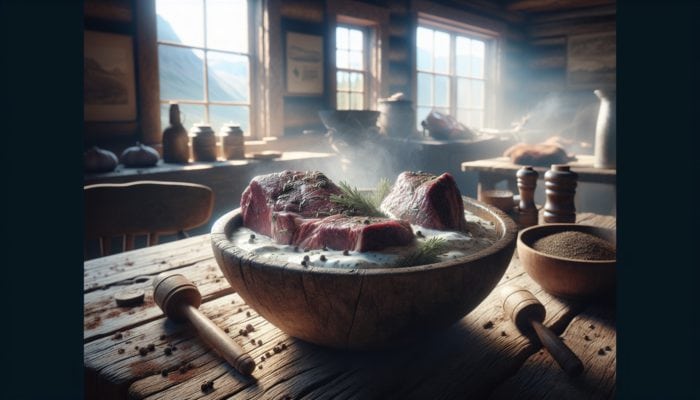
The duration of marination for Montana bison plays a vital role in enhancing both flavor and tenderness. Typically, marinating for 4 to 24 hours is recommended, depending on the specific cut and personal preference. For lean cuts like ribeye or sirloin, a shorter marination time of around 4 to 6 hours is generally sufficient. This timeframe ensures that the bison absorbs flavors without becoming overly salty or losing its natural essence.
For tougher cuts that necessitate additional tenderness, such as brisket or chuck, an overnight marination can yield exceptional results. Incorporating ingredients like yogurt or buttermilk in the marinade can effectively tenderize the meat while adding a subtle tanginess that enhances the overall profile during smoking. Striking the right balance in timing and ingredients is crucial to optimizing the marination process.
What Are the Best Smoking Temperatures for Montana Bison?
Maintaining the correct temperature is paramount when smoking Montana bison. The ideal smoking temperature range falls between 225-250°F, allowing the meat to cook slowly and evenly, which enhances its natural flavors and tenderness. At these temperatures, the bison has ample opportunity to absorb the smoke without losing moisture, a critical factor given the meat's lean characteristics.
Utilizing a dependable thermometer to monitor internal temperatures is equally vital. For optimal results, aim for a final internal temperature of 130-135°F for medium-rare. Cooking bison to this level ensures that you enjoy a tender, juicy cut while preserving its health benefits. Adjustments may be necessary based on the size and type of cut, but adhering to the 225-250°F range will yield the finest smoking results.
Valuable Insights on the Montana Bison BBQ Smoking Method
What Expert Tips Can Enhance Smoking Techniques?
To refine your smoking techniques for Montana bison, experts advocate for a focus on controlling both smoke temperature and airflow within your smoker. Proper airflow guarantees that smoke circulates uniformly, resulting in consistent cooking. Additionally, managing the type and quantity of wood used can profoundly affect the flavor profile. For smoking bison, lighter-flavored woods such as cherry or apple are recommended, as they complement the meat without overwhelming it.
It is also beneficial to experiment with diverse smoking methods, including both hot and cold smoking techniques. Cold smoking can infuse the bison with a subtle smoky flavor, while hot smoking preserves moisture and tenderness. Mastering these techniques may take practice, but the rewards of achieving perfectly smoked bison make the effort worthwhile. Monitoring temperature variations across different smoking sessions can also provide valuable insights for creating the optimal cooking environment.
Research-Backed Reasons to Opt for Bison Cuts
Health-conscious consumers are increasingly opting for Bison due to its numerous nutritional advantages. Research indicates that bison meat contains lower fat levels compared to traditional beef, making it a healthier choice for BBQ enthusiasts. Studies show that bison is abundant in protein, iron, and essential fatty acids, contributing positively to a balanced diet.
Incorporating bison into your smoking sessions not only provides a unique flavor experience but also supports healthier eating habits. The lean quality of bison allows for healthier BBQ options without sacrificing taste, positioning it as an excellent alternative to higher-fat meats. This focus on health, coupled with the rich, smoky flavors achievable through expert smoking techniques, makes bison a prime selection for modern BBQ lovers.
Advanced Handling of BBQ Equipment by Experts
When smoking Montana bison, understanding your BBQ equipment is critical for achieving consistent results. Many experts recommend investing in a high-quality smoker that maintains stable temperatures while ensuring optimal smoke flow. Pellet smokers, for example, provide precision and ease of use, making them particularly favorable for both novice and seasoned cooks.
Moreover, utilizing various fuel types can significantly influence the smoking process. Wood chips, chunks, or pellets each possess unique characteristics; blending different types can create intricate flavors. For instance, combining hickory with cherry wood can yield a rich, sweet undertone that beautifully complements the natural gaminess of bison. Familiarizing yourself with your smoker's capabilities and experimenting with various setups can lead to improved outcomes and a more fulfilling BBQ experience.
Essential Ingredients for Montana Bison BBQ
Which Herbs Enhance the Smoking Process?
Herbs play a crucial role in enhancing the smoking process of Montana bison. Native American herbs such as sage, juniper, and wild thyme not only enrich the flavor but also harmonize with the meat's natural profile. Sage, noted for its earthy notes, pairs exceptionally well, balancing the richness of bison while adding an aromatic quality to the smoke.
Moreover, fresh herbs like rosemary and oregano can be integrated into marinades or rubs, imparting vibrant flavors that elevate the overall BBQ experience. These herbs can also be combined with other spices, creating a harmonious blend that penetrates the bison during the smoking process. Including regional herbs is a wonderful way to celebrate the culinary traditions of the American West while ensuring your bison BBQ stands out.
How to Select the Right Wood for Smoking?
The choice of wood is integral to the smoking process of Montana bison, significantly affecting both flavor and cooking efficiency. American hardwoods like oak, hickory, and pecan are popular selections due to their availability and strong flavor profiles. Oak delivers a versatile smoke that pairs well with bison, while hickory imparts a more intense flavor that complements the meat's richness.
For those seeking a milder smoke, fruitwoods such as apple or cherry provide a subtle sweetness that enhances the meat's natural flavor without overpowering it. Selecting the appropriate wood involves considering the cut and desired flavor profile. Experimenting with various wood types can lead to unique and enjoyable outcomes, transforming the smoking process into an exciting exploration.
How to Balance Flavors in Montana Bison Recipes?
Balancing flavors is essential when crafting recipes centered around Montana bison. Given its lean nature, it's vital to incorporate flavors that enhance rather than overshadow its natural taste. Using mild sauces or glazes can complement the smoke without overwhelming the meat, allowing the bison's inherent flavor to shine through.
Incorporating ingredients such as maple syrup or honey into glazes can provide a delightful contrast, adding sweetness that pairs beautifully with the savory notes of smoked bison. Additionally, blending spices like cumin, coriander, and smoked paprika can create depth, transforming each bite into a complex flavor experience. Here are some flavor combination ideas that could elevate your bison recipes:
- Maple syrup and mustard glaze for a sweet and tangy contrast.
- Smoked paprika and garlic for a savory-rich depth.
- Honey and rosemary for a sweet, herbaceous note.
- Cumin and chili powder for a touch of warmth and spice.
Experimenting with these combinations will enhance your Montana bison BBQ, ensuring a truly memorable culinary experience.
What Tools Are Essential for Smoking Bison?
Key Smokers for Montana Bison BBQ
When embarking on your smoking journey with Montana bison, selecting the right smoker is paramount for achieving optimal results. Pellet smokers, electric smokers, and traditional offset smokers each offer unique benefits. Pellet smokers provide convenience and consistency, allowing for precise temperature control, which is vital when working with lean meats like bison.
On the other hand, traditional offset smokers offer a more hands-on approach, enabling enthusiasts to master the art of smoking. These smokers require meticulous management of heat and smoke, making them suitable for experienced pitmasters. Ultimately, the choice of smoker will depend on your experience level and the type of BBQ experience you desire, but investing in quality equipment will profoundly influence the final product.
How to Maintain Temperature During Smoking?
Maintaining a steady temperature is critical when smoking Montana bison. To achieve this, consider using a digital thermometer to monitor both the smoker's internal temperature and the meat's temperature. Aim for a consistent range of 225-250°F, adjusting airflow and fuel as necessary to stabilize the heat.
In addition to temperature control, placing a water pan in the smoker can help regulate humidity, preventing the meat from drying out. This method is particularly effective for lean meats like bison. Experienced BBQ enthusiasts often recommend keeping a log of temperature fluctuations and adjustments during each smoking session to refine their technique over time, leading to consistently mouthwatering results.
Why Choose Specific Probes for Monitoring Temperatures?
The use of high-quality temperature probes is essential when smoking Montana bison. These devices allow for precise monitoring of the meat's internal temperature, ensuring it reaches the desired doneness without the risk of overcooking. Investing in probes with wireless capabilities can enhance the smoking experience by allowing you to monitor temperatures from a distance, providing the freedom to engage in other BBQ activities.
Furthermore, dual-probe systems can facilitate simultaneous monitoring of both the smoker's ambient temperature and the meat’s temperature. This dual monitoring capability is crucial for guaranteeing that bison cooks evenly, maximizing tenderness and flavor. By implementing these technological tools, you can elevate your BBQ smoking experience, ensuring every bison cut is perfectly cooked.
Research-Backed Advantages of the Montana Bison BBQ Smoking Method
What Nutritional Benefits Does Bison Offer?
Research highlights numerous nutritional benefits associated with bison, especially when prepared using smoking techniques. Bison is renowned for its high protein content, which supports muscle growth and overall health. Additionally, it contains less fat compared to traditional red meats, making it an excellent choice for healthier BBQ options in American diets.
Incorporating smoked bison into your meals not only promotes a balanced diet but also introduces essential vitamins and minerals such as zinc and iron. These nutrients are vital for energy production and immune function. By selecting bison as a primary protein source, you can indulge in delicious BBQ without compromising health benefits, making it an appealing option for those aiming to maintain a nutritious lifestyle.
Expert Techniques for Flavor Development
Flavor development in smoked Montana bison can greatly benefit from expert techniques refined over years of practice. One effective approach is to employ a combination of dry rubs and marinades to enhance flavor while also tenderizing the meat. For example, marinating bison overnight with acidic ingredients like vinegar or citrus can break down tougher fibers, resulting in a more tender final product.
Additionally, incorporating flavor-enhancing methods such as brining or using wet marinades can infuse the meat with extra moisture and taste, further enriching the BBQ experience. By experimenting with these techniques, you can discover an array of flavor profiles that cater to your personal preferences while elevating the taste of smoked bison.
Long-Term Benefits of Regular BBQ Smoking
Engaging in regular BBQ smoking with Montana bison can yield significant long-term benefits in both culinary skills and health. By incorporating bison into your BBQ repertoire, you not only refine your smoking techniques but also develop a deeper appreciation for this unique meat. The low-fat content of bison facilitates guilt-free BBQ enjoyment while ensuring you provide nutritious options for family and friends.
Moreover, smoking bison fosters a communal cooking experience, often serving as a centerpiece for gatherings and celebrations. As you become more adept at the smoking process, the skills you acquire can lead to improved outcomes, allowing for experimentation with various flavors and techniques. This culinary journey not only enhances your BBQ mastery but also enriches your overall cooking repertoire, promoting a healthier, more flavorful lifestyle.
Why Opt for Bison in BBQ Smoking?
What Makes Bison Stand Out Among Other Meats?
Bison is recognized as a superior choice for BBQ compared to other meats due to its distinctive flavor profile and leanness. Unlike conventional beef or pork, bison meat offers a rich, slightly sweet taste that is both satisfying and unique. The lower fat content of bison means it cooks more rapidly, necessitating careful attention to prevent drying, yet the results are well worth the effort.
Additionally, bison is often raised sustainably, with many American ranchers employing practices that prioritize animal welfare and environmental stewardship. This results in a product that not only tastes exceptional but also supports sustainable agricultural practices, making it an ethical choice for conscientious consumers. Choosing bison for your BBQ not only delivers outstanding flavor but also positively impacts the environment.
How Does Smoking Preserve the Quality of Bison?
Smoking is a traditional method that aids in preserving the quality of Montana bison, ensuring it retains moisture and nutrients throughout the cooking process. Due to its lean nature, smoking at low temperatures allows the meat to cook evenly while maintaining its tenderness. The smoke acts as a natural preservative, enhancing flavor while forming a protective barrier to keep the meat juicy.
Moreover, implementing proper smoking techniques, such as using a water pan and maintaining consistent temperatures, can prevent dry edges from forming, allowing the bison to retain its vital nutrients. Here are some preservation techniques to consider when smoking bison:
- Utilize a water pan to maintain humidity.
- Smoke at low temperatures (225-250°F).
- Limit smoke exposure time to prevent overpowering the flavor.
- Rest the meat after smoking to allow juices to redistribute.
These techniques contribute to a superior BBQ experience, ensuring that every bite of smoked bison remains succulent and flavorful.
Environmental Considerations in Bison Selection
When selecting bison for BBQ, it’s crucial to consider the environmental factors associated with its production. Bison ranching is generally more sustainable than traditional cattle farming due to their natural grazing habits and lower land requirements. Bison are well-adapted to their environments, needing fewer resources and producing less greenhouse gas than cattle.
Furthermore, bison farming supports biodiversity by grazing on grasslands, which helps maintain healthy ecosystems. Choosing bison not only leads to a more flavorful BBQ experience but also contributes to sustainable agricultural practices that positively impact the planet. This commitment to environmental responsibility resonates with consumers who prioritize quality and ethics in their food choices.
Exploring Unique Flavor Profiles of Bison in BBQ Smoking
The flavor profile of Montana bison during BBQ smoking is distinct and unforgettable, setting it apart from more common meats like beef or pork. When smoked, bison showcases a rich, hearty taste with a hint of sweetness that enhances the overall experience. The natural gaminess of bison becomes more pronounced throughout the smoking process, creating a complex flavor that can be further accentuated by the choice of wood and marinades used.
This unique flavor combination not only makes bison an exciting culinary option but also encourages chefs and home cooks to explore various smoking techniques and flavor pairings. The result is a BBQ experience that captivates the palate and highlights the versatility of bison in various culinary applications, making it an exceptional choice for any BBQ enthusiast.
Health and Nutritional Benefits of Bison for BBQ
Choosing bison for your BBQ not only enhances the flavor of your dishes but also offers numerous health benefits. Renowned for being lower in fat and calories compared to beef, bison provides a high protein content that supports muscle health and overall wellness. This makes it an ideal selection for health-conscious consumers wanting to enjoy BBQ without guilt.
The nutrient density of bison, which is rich in vitamins and minerals such as B12, iron, and zinc, supports various bodily functions, including energy production and immune health. By incorporating bison into your BBQ repertoire, you can indulge in flavorful meals while adhering to a balanced diet, ensuring a satisfying culinary experience that aligns with your health goals.
Advanced Techniques for BBQ Smoking
What Variations Can Elevate Montana Bison?
To enhance your smoking technique for Montana bison, consider exploring various methods, such as indirect heat smoking. This approach allows the bison to cook slowly, enabling flavors to develop without the risk of overcooking. By placing the bison away from direct heat, you can achieve a tender product that retains moisture and highlights the meat's natural taste.
Additionally, experimenting with different rubs and marinades can further enrich the flavor profile. Consider regional variations, such as incorporating local spices or herbs, to create a unique twist on traditional bison BBQ. Including fruits or acidic components in marinades can provide additional layers of flavor and tenderness, making your smoked bison truly exceptional.
Integrating Sauces During the Smoking Process
Integrating sauces during the smoking process can significantly enhance the flavor of Montana bison. Timing is crucial; applying a glaze or sauce too early may lead to burning or overpowering the meat's natural flavor. Aim to apply sauces during the final hour of smoking to allow them to caramelize and create a delicious exterior.
For those looking to incorporate a sweet element, consider a honey-based glaze that balances the richness of the bison. Alternatively, a tangy barbecue sauce can add a delightful contrast, enhancing the overall tasting experience. Experimenting with different sauce applications can yield unique flavor profiles, allowing you to personalize your BBQ creations.
How to Experiment with Smoke Times?
Adjusting smoke times is essential for achieving optimal results when working with Montana bison. Depending on the cut, varying smoking durations may be necessary to reach the desired tenderness and flavor. For smaller cuts, such as steaks, a shorter smoking period might suffice, while larger roasts or briskets may require prolonged exposure to smoke.
As a general guideline, consider starting with a base smoking time and adjusting according to the meat's size and thickness. Regularly checking the internal temperature will provide insight into when the bison is ready to be removed from the smoker, ensuring the perfect balance of smokiness and tenderness.
Advanced Wood Selection for Smoking Bison
Choosing the right wood is crucial in achieving the perfect smoked Montana bison. Various American woods, such as mesquite, impart a strong flavor, while fruitwoods like cherry and apple offer a milder, sweeter taste. Blending different woods can create intricate flavor profiles, providing a more personalized BBQ experience.
For example, mixing hickory with pecan can yield a robust yet balanced smoke that complements the bison's natural flavor. Understanding how different woods behave during the smoking process will enable you to fine-tune your techniques. Experimentation is key; each smoking session provides an opportunity to uncover new, exciting flavor combinations that elevate your BBQ skills.
Ensuring Safety in Bison BBQ
What Hygiene Practices Are Crucial for Smoking?
Maintaining proper hygiene while smoking Montana bison is essential for ensuring food safety and preventing contamination. Before handling any meat, ensure that your hands, surfaces, and cooking tools are clean. Utilizing separate cutting boards for raw meat and other ingredients can help prevent cross-contamination.
Additionally, it is vital to store bison at the appropriate temperature before smoking. Keeping the meat refrigerated until you are ready to cook is crucial, as is ensuring that the smoker is cleaned and sanitized prior to use. Adhering to these hygiene practices can help create a safe and enjoyable BBQ experience.
How to Avoid Common Health Risks?
To mitigate common health risks associated with smoking Montana bison, closely monitor cooking temperatures. Bison should be cooked to an internal temperature of at least 130°F for medium-rare and 160°F for medium. Using a reliable meat thermometer is highly recommended to prevent overcooking or undercooking.
Be mindful of smoking durations and ensure that the meat is not left at unsafe temperatures for extended periods. The USDA guidelines suggest keeping cooked meat above 140°F if not consumed immediately. By adhering to these cooking practices, you can enjoy a delicious and safe BBQ experience.
Proper Storage After Smoking Bison
Proper storage of smoked Montana bison is vital for maintaining quality and preventing spoilage. After smoking, allow the bison to rest before slicing, as this helps retain moisture. Store any leftovers in airtight containers and refrigerate them promptly, ideally within two hours of cooking.
Smoked bison can generally be kept in the refrigerator for 3-4 days. For longer storage, consider freezing the meat, which can significantly extend its shelf life. When reheating, ensure that the internal temperature reaches at least 165°F to ensure food safety. By following these storage guidelines, you can savor the delicious flavors of smoked bison long after the BBQ is over.
Frequently Asked Questions
What is the Best Way to Smoke Bison?
The most effective method for smoking bison is to maintain a temperature between 225-250°F, using a combination of fruitwoods and hardwoods for a balanced flavor. Closely monitor the internal temperature to achieve your desired doneness.
How Long Does It Take to Smoke Bison Ribs?
Smoking bison ribs typically requires around 4-6 hours, depending on their size. Ensure that the internal temperature reaches at least 160°F for optimal tenderness.
What Are the Healthiest Ways to Cook Bison?
The healthiest cooking methods for bison include grilling, roasting, and smoking, as these techniques preserve its lean qualities while maximizing flavor without excessive fat.
Can You Over Smoke Bison Meat?
Yes, over-smoking bison can lead to a bitter taste and dryness. It is essential to monitor smoke exposure and use lighter wood varieties for a milder flavor.
What Cuts of Bison Are Best for BBQ?
Cuts like ribeye, sirloin, and short ribs are ideal for BBQ due to their flavor and tenderness, making them perfect for smoking.
How Do I Keep Bison from Drying Out During Smoking?
To maintain moisture in bison during smoking, utilize a water pan in the smoker, wrap the meat in butcher paper, and closely monitor temperatures.
What Wood is Best for Smoking Bison?
The best woods for smoking bison include cherry, apple, and hickory. Each wood imparts a distinct flavor that enhances the meat's natural taste.
How Should Smoked Bison Be Stored?
Smoked bison should be stored in airtight containers in the refrigerator and consumed within 3-4 days or frozen for longer storage.
What Temperature Should Bison Be Smoked To?
Bison should be smoked to an internal temperature of at least 130°F for medium-rare and 160°F for medium to ensure it is safe and flavorful.
Can Bison Be Marinated Overnight?
Yes, bison can be marinated overnight to enhance flavor and tenderness, but avoid overly acidic marinades that might break down the meat excessively.