


Expert Guide to Selecting and Sourcing Octopus for Grilling
Best Locations to Purchase Fresh Octopus in the United States

When it comes to acquiring the finest octopus, your best options are local fish markets or specialized seafood stores. Urban areas such as Chinatown in New York City and the lively waterfront markets in Seattle are known for their supply of fresh, top-quality octopus that can elevate your grilling experience. Opting for reputable sources guarantees that you receive the freshest product possible, which is vital for achieving optimal flavor and texture in your dishes.
If you are in the California region, seek out local fishmongers or fish markets situated along the coast, particularly in towns celebrated for their seafood culture like Monterey or Santa Barbara. These establishments typically feature freshly caught octopus sourced directly from local fishermen. A personal visit allows you to assess the quality before purchasing, ensuring you obtain the best ingredient for your grilling adventures.
How Can You Accurately Determine the Freshness of Octopus?
To ascertain the freshness of octopus, look for specific characteristics that signal its quality. Fresh octopus should have bright, clear eyes that are not cloudy or dull, as this indicates freshness. The texture must feel firm and slightly moist; if it feels slimy or overly soft, it’s advisable to avoid that specimen. Additionally, a fresh octopus will emit a clean, briny aroma reminiscent of the ocean, rather than a strong fishy smell. This quality is essential for achieving superb flavor during grilling.
Examine the tentacles; they should be intact, showing no signs of decay. Any discoloration or mushiness is a clear warning that the octopus is past its prime. Remember, quality is critical when grilling octopus, as the texture and flavor will greatly impact your final dish.
Frozen vs. Fresh: Which Option is Superior for Grilling?
Both fresh and frozen octopus can serve as excellent options for grilling, but there are significant differences that may sway your decision. Fresh octopus generally offers superior texture and flavor, making it the preferred choice for many chefs. However, frozen octopus provides convenience, especially when fresh options are not readily available. The key to effectively using frozen octopus lies in proper thawing; ensure it is defrosted in the refrigerator overnight or under cold running water.
When weighing the two options, consider the context of your recipe. Fresh octopus allows for better flavor absorption from marinades and seasonings, while well-thawed frozen octopus retains moisture and can still provide a delightful grilling experience. Ultimately, your choice will depend on your specific requirements and what is available in your locality.
What Key Factors Should You Evaluate When Choosing Octopus for Cooking?

When selecting an octopus for grilling, several factors such as size, species, and sourcing play crucial roles. Typically, smaller octopuses weighing around 2-3 pounds are ideal for grilling, as they tend to be more tender and cook more uniformly. Popular species include the Pacific Northwest octopus and the Common octopus, both renowned for their flavor and tenderness.
Another essential consideration is whether the octopus is wild-caught or farmed. Wild-caught octopus is often more flavorful due to their natural diet and habitat, while farmed options may offer consistency in size and availability. If your recipe specifies certain characteristics, such as a firmer texture or distinct taste, ensure you select your octopus accordingly. This meticulous selection process lays the groundwork for a successful grilling experience.
Insider Secrets to Grilling Octopus for Optimal Tenderness
What Proven Techniques Do Chefs Utilize for Achieving Tender Octopus?
To ensure tender octopus, professional chefs implement a variety of techniques designed to effectively break down tough muscle fibers. Key methods include:
- Pre-cooking methods: This involves boiling or simmering the octopus prior to grilling, which facilitates tenderness.
- Vacuum sealing: Sous-vide cooking at a controlled temperature can guarantee tenderness.
- Marination: Incorporating acidic ingredients like lemon juice or vinegar in a marinade assists in breaking down proteins.
- Brining: A soak in saltwater can enhance moisture retention and tenderness.
- Grilling temperature: Maintaining a medium heat during grilling ensures even cooking.
- Timing: Monitoring cooking times is crucial to prevent overcooking, which can lead to toughness.
- Resting the meat: Allowing the octopus to rest after grilling ensures juices redistribute for improved flavor.
When executed correctly, these techniques will guarantee that your grilled octopus is tender, flavorful, and a delightful addition to your meal. Chefs understand that each step is vital in enhancing the overall quality of the dish, resulting in a memorable dining experience for yourself and your guests.
How Can Marination Impact the Tenderness of Octopus?
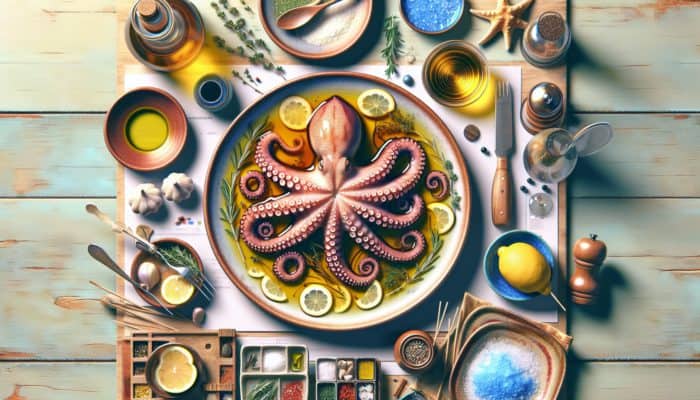
Marinating octopus is a transformative step in enhancing both its flavor and tenderness. Acidic marinades, especially those featuring ingredients like lemon juice, vinegar, or wine, play a pivotal role in breaking down the proteins in the octopus, leading to a more tender texture. The acid works on the muscle fibers, making them less dense and more succulent during the grilling process.
Along with acidity, incorporating herbs, garlic, and spices into your marinade can significantly elevate the flavor profile of the octopus. A blend of olive oil, garlic, and fresh herbs such as rosemary or thyme adds a Mediterranean flair. Allow the octopus to marinate for at least 30 minutes to a few hours for optimal results. However, avoid marinating for too long, as overly acidic solutions can begin to “cook” the octopus, resulting in a mushy texture.
Step-by-Step Guide to Perfectly Grilling Octopus
To grill octopus to perfection, adhere to these detailed steps that will ensure a succulent outcome:
1. Pre-cook the octopus: Start by bringing a large pot of salted water to a boil. Submerge the octopus and simmer gently for about 45 minutes to an hour, or until it becomes tender. To check for doneness, insert a fork into the thickest part; it should pierce easily.
2. Cool and prepare: Once cooked, remove the octopus from the water and allow it to cool slightly. Detach the tentacles from the body, and if desired, remove the beak and innards for a cleaner appearance.
3. Marinate the octopus: Create a marinade using ingredients such as olive oil, minced garlic, lemon juice, and fresh herbs. Coat the octopus thoroughly and let it marinate for a minimum of 30 minutes, allowing the flavors to meld.
4. Prepare the grill: Preheat your grill to a medium-high temperature of approximately 350-400°F. Ensure the grates are clean and well-oiled to prevent sticking.
5. Grill the octopus: Position the marinated octopus on the grill. Cook for around 5-7 minutes on each side, turning periodically until a nice char is achieved and the internal temperature reaches about 145°F.
6. Rest and serve: After grilling, allow the octopus to rest for a few minutes before slicing. This permits the juices to redistribute, ensuring a juicy final product. Serve with lemon wedges and a drizzle of olive oil for enhanced flavor.
Essential Preparations Before Grilling Octopus
Why is Tenderizing Octopus Crucial Before Grilling?
Tenderizing octopus prior to grilling is vital for ensuring that it is enjoyable and palatable. The muscle fibers in octopus can be tough, making proper preparation essential. Techniques such as pounding, marinating, or pre-cooking are effective methods for breaking down these tough fibers. By tenderizing, you not only improve the texture but also enhance overall flavor absorption, allowing the octopus to better soak up marinades and seasonings.
Pounding the octopus lightly with a meat mallet can help achieve a more uniform texture. Alternatively, marinating with an acidic ingredient serves as a natural tenderizer, resulting in a more succulent octopus. Pre-cooking, such as boiling or simmering, is one of the most effective methods, yielding a tender result that requires minimal grilling time to finish.
How Long Should You Boil Octopus Prior to Grilling?
Typically, boiling octopus for 45 minutes to an hour is recommended to ensure it becomes tender before grilling. The exact duration may vary based on the size of the octopus; smaller specimens may reach tenderness faster, while larger ones may require additional time. To check for doneness, insert a fork into the thickest part of the octopus; it should slide in easily.
Avoid overboiling, as this can lead to a mushy texture. Instead, aim for a balance where the octopus is cooked through yet still firm. After boiling, let it cool before grilling, as this helps retain moisture and flavor.
Which Seasonings Best Enhance the Flavor of Octopus?
Enhancing the flavor of octopus can be achieved through various seasonings that complement its natural taste. Popular seasonings include garlic, which adds depth and richness; lemon, which provides a bright, zesty contrast; and olive oil, which contributes richness and moisture. Fresh herbs like thyme, oregano, or parsley can elevate the overall flavor profile.
Consider experimenting with spices such as smoked paprika or chili flakes for a hint of heat and smokiness. Alternatively, utilizing Mediterranean-inspired marinades can infuse layers of flavor that will truly elevate your grilled octopus. Be bold and creative; the versatility of octopus allows for many flavor combinations, so feel free to try different mixes until you find your ideal pairing.
Scientific Insights into Grilling Octopus Without Toughness
What Nutritional Advantages Does Octopus Provide?
Octopus is not just a culinary delight; it is also a nutrient powerhouse. Rich in high-quality protein, it supplies essential amino acids critical for muscle repair and overall health. Additionally, octopus is abundant in vitamins such as B12, vital for energy production and nerve health, as well as minerals like iron and selenium, which support immune function and antioxidant activity.
Grilling octopus without toughness allows you to preserve these nutrients while intensifying flavor, making it an excellent option for health-conscious diners. The chosen cooking method significantly influences nutrient retention; grilling keeps essential vitamins and minerals intact compared to frying or heavy sauces that can add excess calories.
How Does Grilling Influence the Health Benefits of Octopus?
Grilling octopus, when executed correctly, maintains its nutritional integrity and delivers a flavorful dish without excessive fats or calories. Unlike methods that entail heavy frying, grilling necessitates minimal oil while still achieving a delicious charred taste. This technique also allows the octopus to cook quickly, helping to preserve nutrients that may be lost through prolonged cooking methods.
However, it is crucial to avoid charring the octopus excessively, as this can lead to the formation of harmful compounds. By using a medium heat and monitoring closely, you can ensure that the octopus is grilled perfectly, maximizing both flavor and health benefits.
Real-Life Examples of Health Benefits from Grilled Octopus
Numerous testimonials highlight the health benefits linked to consuming grilled octopus. Many diners report increased energy levels and enhanced muscle recovery due to the high protein content of octopus, making it a favored choice among fitness enthusiasts. Additionally, renowned chefs have shared their experiences incorporating grilled octopus into their menus, noting its appeal not just in flavor but also in its ability to provide nourishing benefits to patrons.
Research indicates that a diet rich in seafood, including octopus, positively affects overall well-being. The Omega-3 fatty acids found in octopus are known to contribute to heart health, while its low-calorie profile makes it an excellent choice for those aiming to maintain a balanced diet.
How Can Marinating Enhance the Tenderness and Nutritional Value of Grilled Octopus?
Marinating octopus with acidic ingredients not only tenderizes the meat but also enriches its nutritional profile. Ingredients like lemon juice or vinegar help break down tough proteins, making the octopus more palatable while retaining moisture during grilling. This process guarantees that the final dish remains juicy, flavorful, and appealing.
Moreover, marinades can be loaded with health-boosting components like garlic or fresh herbs, renowned for their antioxidant properties. These additions further enhance the health benefits of the dish, making grilled octopus a nutritious and delicious option for diners seeking both flavor and healthfulness. Additionally, marinating allows for flavor infusion, ensuring a more robust and satisfying dish without the need for heavy sauces.
Techniques for Achieving Perfectly Grilled Octopus
What is the Optimal Temperature for Grilling Octopus?
To achieve perfectly grilled octopus, maintaining the correct temperature is crucial. Grilling at a medium heat of around 350-400°F ensures even cooking without risking burning the exterior while the interior remains undercooked. Utilizing a thermometer is a reliable method to monitor the grill's temperature, allowing for precise control throughout the cooking process.
It’s important to note that the octopus will continue to cook slightly after being removed from the grill, a phenomenon known as residual cooking. This factor should be taken into account when timing your grilling, as you want to achieve a tender result without overcooking. Perfectly grilled octopus should possess a beautifully charred exterior while remaining tender and juicy on the inside.
How Can You Avoid Octopus from Sticking to the Grill?
A common challenge when grilling octopus is preventing it from sticking to the grill grates. To address this, start by thoroughly cleaning the grill grates to eliminate any residue. After cleaning, apply a light coat of oil to both the grill grates and the octopus itself; this creates a barrier that helps prevent sticking. A brush or cloth can be used to evenly apply the oil.
Another effective strategy is to use a grill basket or skewers, which provide additional support and prevent the octopus pieces from falling apart. This arrangement also permits easier flipping and turning, ensuring an evenly grilled dish without the hassle of stuck tentacles. These techniques collectively enhance your grilling experience, ensuring that your octopus turns out beautifully charred and easy to manage.
What is the Recommended Grilling Duration for Octopus?
The grilling duration for octopus typically ranges from 5-7 minutes per side, depending on the size and thickness of the pieces. Smaller tentacles may require less time, while larger pieces will need additional time to achieve that ideal char without compromising tenderness. Monitor the octopus as it grills; it should develop a nice charred exterior while remaining tender within.
To check for doneness, a meat thermometer can be used to ensure it reaches an internal temperature of approximately 145°F. Alternatively, visually inspect the exterior for a golden-brown hue, indicative of caramelization and flavor enhancement. As a pro tip, remember that removing the octopus from the grill just before it reaches the target temperature allows for carryover cooking, resulting in perfectly grilled octopus.
Serving and Enjoying Grilled Octopus
What Are the Best Side Dishes to Accompany Grilled Octopus?
When serving grilled octopus, the right side dishes can elevate the meal significantly. Popular accompaniments include grilled vegetables such as zucchini, bell peppers, or asparagus, which harmonize beautifully with the smoky flavor of the octopus. Offering lemon wedges enhances the dish, providing a refreshing contrast to the robust taste of the grilled octopus.
Another excellent pairing is a Mediterranean salad, featuring ingredients like tomatoes, cucumbers, and olives drizzled with olive oil and vinegar. This combination not only adds a burst of freshness but also complements the flavors of the octopus. You might also consider serving it over a bed of couscous or quinoa for a heartier approach, creating a balanced and satisfying meal.
How Can You Present Grilled Octopus in an Appealing Manner?
Presentation significantly impacts the dining experience, and grilled octopus can be served in a visually stunning fashion. Start by slicing the tentacles into attractive portions and arranging them on a large platter. A drizzle of high-quality olive oil over the top can enhance the dish's appearance and flavor.
Sprinkling fresh herbs such as parsley or microgreens over the octopus adds a splash of color and freshness. Consider placing a few lemon wedges around the platter for a bright touch. This not only looks inviting but allows guests to squeeze fresh lemon juice over the octopus as desired, enhancing the overall flavor experience.
What Creative Ways Can You Utilize Leftover Grilled Octopus?
The versatility of grilled octopus opens up numerous possibilities for creatively using leftovers. One popular option is to toss diced grilled octopus into a salad, introducing a delightful seafood element to a fresh green base. Alternatively, consider incorporating it into pasta dishes; simply mix with olive oil, garlic, and seasonal vegetables for a quick and flavorful meal.
Another innovative use is to slice the grilled octopus and use it as a topping for pizzas, adding an unexpected yet delicious twist. You could also blend it into a seafood dip or spread for an appetizer that will impress your guests. The opportunities are endless when it comes to utilizing leftover grilled octopus, making it a fantastic ingredient for a variety of culinary applications.
Frequently Asked Questions
How do I determine if the octopus is fresh?
Fresh octopus will have bright, clear eyes, a firm texture, and a clean ocean aroma. Avoid any that feels slimy or emits a strong fishy smell.
Is it possible to use frozen octopus for grilling?
Yes, frozen octopus can be effectively used for grilling. Ensure it is properly thawed for the best flavor and texture.
What is the most effective method for tenderizing octopus before grilling?
Tenderizing methods include pre-cooking, marinating with acidic ingredients, or lightly pounding the octopus to break down tough fibers.
How long should I boil octopus before grilling?
Boil octopus for 45 minutes to an hour until tender. Test by inserting a fork into the thickest part for easy pierceability.
What seasonings work best with grilled octopus?
Seasonings such as garlic, lemon, olive oil, and fresh herbs like thyme or oregano enhance the flavor of grilled octopus.
What temperature is ideal for grilling octopus?
Grill octopus at a medium heat of around 350-400°F for even cooking without burning.
How long should I grill octopus for?
Grill octopus for approximately 5-7 minutes on each side, depending on the size, until charred and tender.
What are popular side dishes to serve with grilled octopus?
Common side dishes include grilled vegetables, lemon wedges, and Mediterranean salads, all of which enhance the octopus's flavor.
How can I store leftover grilled octopus?
Store leftover grilled octopus in an airtight container in the refrigerator for up to three days. It can be reheated or used in salads, pasta, or pizzas.
Can marinating octopus improve its health benefits?
Yes, marinating octopus can enhance tenderness and introduce healthy ingredients, such as garlic and herbs, which boost flavor and nutritional value.